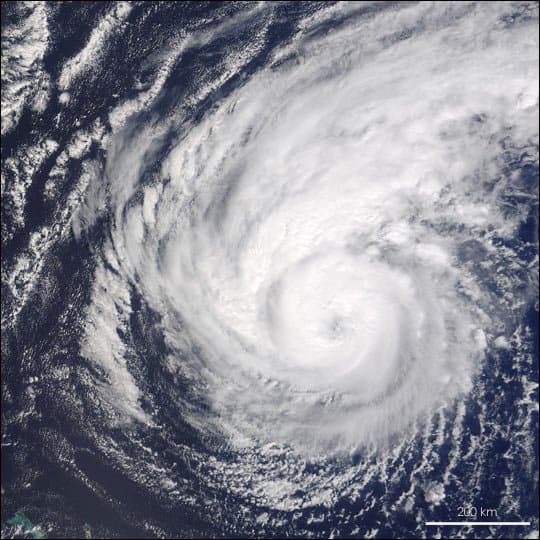
Strong El Niño conditions, with high wind shear across the Atlantic main development region, have suppressed tropical cyclone intensification so far in 2026, producing only four named storms and zero hurricanes through late August according to National Hurricane Center data. NOAA’s August update assigns a 75% probability to a below-normal season overall, projecting 7–13 named storms, 2–6 hurricanes, and 0–2 major hurricanes, well below the 1991–2020 averages. This environment sharply reduces the likelihood of U.S. landfalls compared with historical norms. The peak months of September and October remain critical, with upcoming NOAA and CSU seasonal updates, plus daily National Hurricane Center model runs, poised to shift trader sentiment on regional probabilities as steering patterns and any late-season development become clearer.
Experimental AI-generated summary referencing Polymarket data. This is not trading advice and plays no role in how this market resolves. · UpdatedWhere will a hurricane make landfall in the US during the 2026 hurricane season?
Where will a hurricane make landfall in the US during the 2026 hurricane season?
$12,975 Vol.
Texas
11%
Louisiana
15%
Mississippi
4%
Alabama
7%
Florida
65%
Georgia
9%
South Carolina
11%
North Carolina
53%
Virginia
6%
Maryland
8%
Delaware
10%
New Jersey
10%
New York
8%
Connecticut
3%
Rhode Island
9%
Massachusetts
9%
New Hampshire
8%
Maine
8%
Hawaii
16%
$12,975 Vol.
Texas
11%
Louisiana
15%
Mississippi
4%
Alabama
7%
Florida
65%
Georgia
9%
South Carolina
11%
North Carolina
53%
Virginia
6%
Maryland
8%
Delaware
10%
New Jersey
10%
New York
8%
Connecticut
3%
Rhode Island
9%
Massachusetts
9%
New Hampshire
8%
Maine
8%
Hawaii
16%
A hurricane landfall is said to occur when a hurricane's surface center intersects with the coastline (https://www.nhc.noaa.gov/aboutgloss.shtml#LANDFALL) and the NHC reports maximum sustained winds of 74 mph or higher (Category 1 or greater) at the time of landfall. The state of landfall is determined by the surface center's location when it crosses the coastline. If a single hurricane makes separate landfalls in more than one listed state, each such state resolves to "Yes".
Hurricane season runs from June 1, 2026 - November 30, 2026.
Each market resolves based on the initial NHC (or CPHC) advisory reporting a qualifying landfall in the relevant state, regardless of any later retraction or reanalysis. Each market may only resolve to "No" after November 30, 2026, 11:59 PM ET, or, if an extension period applies, after December 7, 2026, 11:59 PM ET, if the conditions for a "Yes" resolution have not been met.
If an active tropical cyclone at hurricane strength is over water per official NHC or CPHC advisories as of 11:59 PM ET on November 30, 2026, the relevant market(s) will operate under an extension period of 7 days, and the resolution date will move to December 7, 2026, 11:59 PM ET; a qualifying landfall by that hurricane during the extension period will count toward resolution.
If a qualifying landfall occurs within a market's timeframe (including any extension period) but has not yet been confirmed by an NHC or CPHC advisory by the resolution date, that market will remain open until such an advisory is issued.
Market Opened: Aug 18, 2026, 4:30 PM ET
Resolution Source
https://www.nhc.noaa.gov/Resolver
0x65070BE91...A hurricane landfall is said to occur when a hurricane's surface center intersects with the coastline (https://www.nhc.noaa.gov/aboutgloss.shtml#LANDFALL) and the NHC reports maximum sustained winds of 74 mph or higher (Category 1 or greater) at the time of landfall. The state of landfall is determined by the surface center's location when it crosses the coastline. If a single hurricane makes separate landfalls in more than one listed state, each such state resolves to "Yes".
Hurricane season runs from June 1, 2026 - November 30, 2026.
Each market resolves based on the initial NHC (or CPHC) advisory reporting a qualifying landfall in the relevant state, regardless of any later retraction or reanalysis. Each market may only resolve to "No" after November 30, 2026, 11:59 PM ET, or, if an extension period applies, after December 7, 2026, 11:59 PM ET, if the conditions for a "Yes" resolution have not been met.
If an active tropical cyclone at hurricane strength is over water per official NHC or CPHC advisories as of 11:59 PM ET on November 30, 2026, the relevant market(s) will operate under an extension period of 7 days, and the resolution date will move to December 7, 2026, 11:59 PM ET; a qualifying landfall by that hurricane during the extension period will count toward resolution.
If a qualifying landfall occurs within a market's timeframe (including any extension period) but has not yet been confirmed by an NHC or CPHC advisory by the resolution date, that market will remain open until such an advisory is issued.
Resolution Source
https://www.nhc.noaa.gov/Resolver
0x65070BE91...Strong El Niño conditions, with high wind shear across the Atlantic main development region, have suppressed tropical cyclone intensification so far in 2026, producing only four named storms and zero hurricanes through late August according to National Hurricane Center data. NOAA’s August update assigns a 75% probability to a below-normal season overall, projecting 7–13 named storms, 2–6 hurricanes, and 0–2 major hurricanes, well below the 1991–2020 averages. This environment sharply reduces the likelihood of U.S. landfalls compared with historical norms. The peak months of September and October remain critical, with upcoming NOAA and CSU seasonal updates, plus daily National Hurricane Center model runs, poised to shift trader sentiment on regional probabilities as steering patterns and any late-season development become clearer.
Experimental AI-generated summary referencing Polymarket data. This is not trading advice and plays no role in how this market resolves. · Updated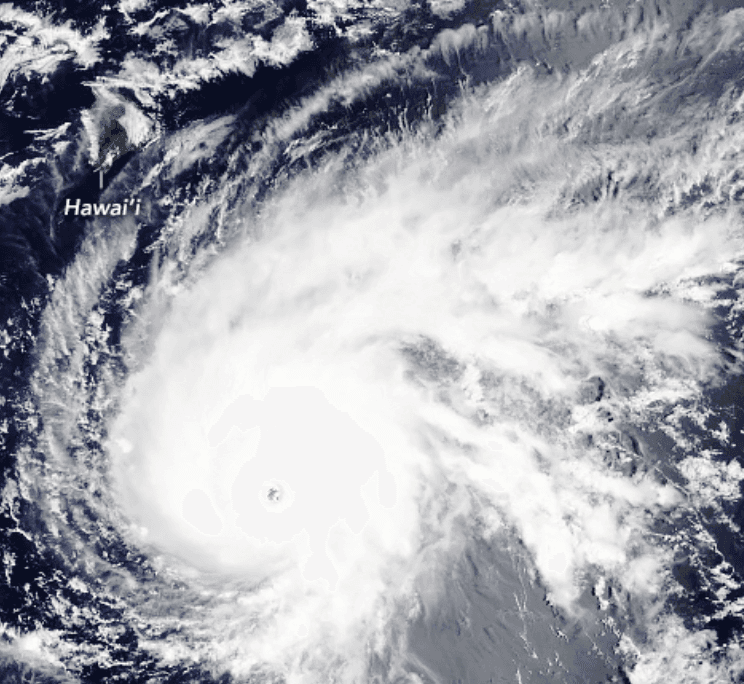


Beware of external links.
Beware of external links.
Frequently Asked Questions