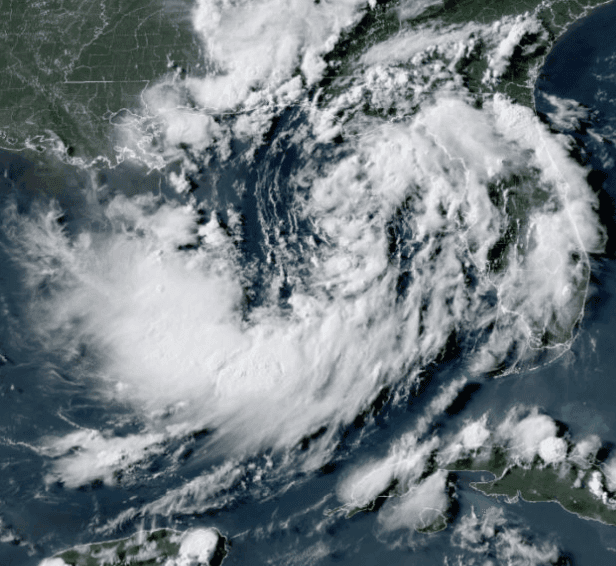
El Niño-driven wind shear and atmospheric conditions have suppressed tropical cyclone development in the Atlantic basin this year, resulting in just three named storms through mid-August with zero hurricanes formed to date. NOAA’s August update assigns a 75% probability of a below-normal season overall, projecting 2-6 hurricanes for the full June-November period, while Colorado State University similarly forecasts around four. These outlooks center well below the 1991-2020 average of seven hurricanes and align with the market’s leading 4-6 outcome at 47.5% implied probability. Peak-season activity in September remains the key variable, with updated model runs and National Hurricane Center briefings likely to influence trader positioning as conditions evolve.
Experimental AI-generated summary referencing Polymarket data. This is not trading advice and plays no role in how this market resolves. · UpdatedHow many hurricanes will form during the Atlantic Hurricane Season in 2026?
How many hurricanes will form during the Atlantic Hurricane Season in 2026?
7+ 27%
1-3 24%
0 6%
4-6 0
0
6%
1-3
24%
4-6
45%
7+
27%
7+ 27%
1-3 24%
0 6%
4-6 0
0
6%
1-3
24%
4-6
45%
7+
27%
If there is no storm categorized as a hurricane in the Atlantic during the specified timeframe this market will resolve to "0".
A hurricane is a tropical cyclone with maximum sustained winds of 74 mph or greater (Category 1 or higher on the Saffir-Simpson Hurricane Wind Scale), as described at https://www.nhc.noaa.gov/aboutsshws.php.
This market may resolve based on the initial NHC advisory reporting a qualifying hurricane regardless of any later advisory, retraction, best-track revision, or reanalysis that revises that storm's intensity downward. The official count will be determined by the NHC (nhc.noaa.gov) advisories.
Market Opened: Jul 28, 2026, 4:49 PM ET
Resolver
0x69c47De9D...If there is no storm categorized as a hurricane in the Atlantic during the specified timeframe this market will resolve to "0".
A hurricane is a tropical cyclone with maximum sustained winds of 74 mph or greater (Category 1 or higher on the Saffir-Simpson Hurricane Wind Scale), as described at https://www.nhc.noaa.gov/aboutsshws.php.
This market may resolve based on the initial NHC advisory reporting a qualifying hurricane regardless of any later advisory, retraction, best-track revision, or reanalysis that revises that storm's intensity downward. The official count will be determined by the NHC (nhc.noaa.gov) advisories.
Resolver
0x69c47De9D...El Niño-driven wind shear and atmospheric conditions have suppressed tropical cyclone development in the Atlantic basin this year, resulting in just three named storms through mid-August with zero hurricanes formed to date. NOAA’s August update assigns a 75% probability of a below-normal season overall, projecting 2-6 hurricanes for the full June-November period, while Colorado State University similarly forecasts around four. These outlooks center well below the 1991-2020 average of seven hurricanes and align with the market’s leading 4-6 outcome at 47.5% implied probability. Peak-season activity in September remains the key variable, with updated model runs and National Hurricane Center briefings likely to influence trader positioning as conditions evolve.
Experimental AI-generated summary referencing Polymarket data. This is not trading advice and plays no role in how this market resolves. · Updated

Beware of external links.
Beware of external links.
Frequently Asked Questions