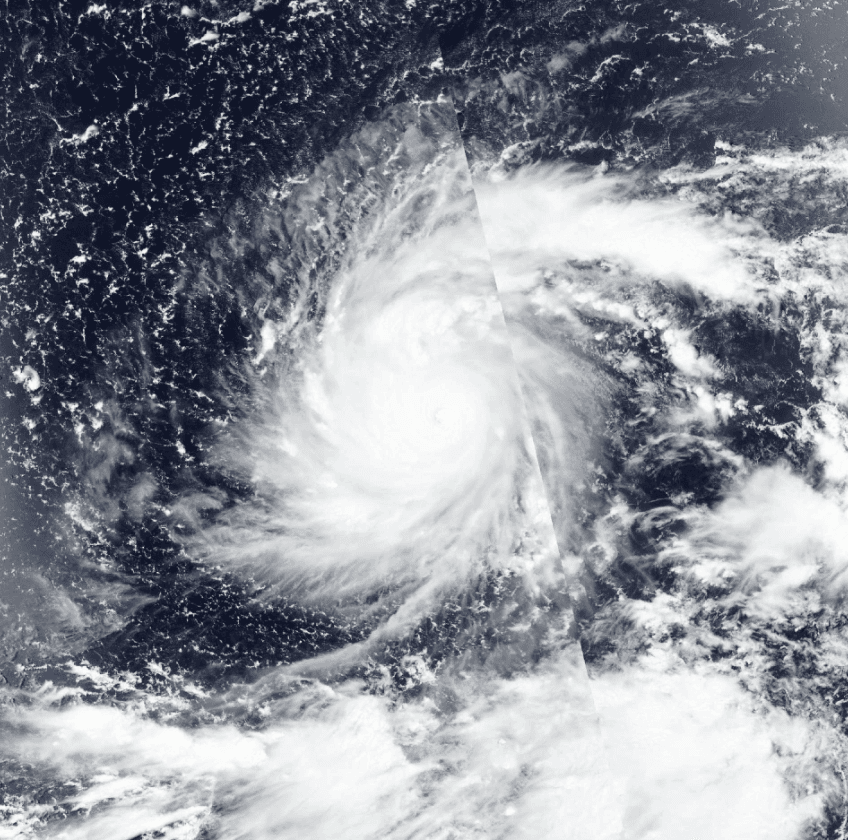
Typhoon Dolphin reached super typhoon intensity with peak winds near 165 mph in late July before tracking west-northwest toward the Ryukyu Islands and Okinawa. Official Japan Meteorological Agency observations recorded it as a violent or very strong typhoon—sustained winds in the upper range of the JMA scale—with landfall or closest approach occurring around August 7–8 as a Category 1–2 equivalent system. Strong model consensus on steering and gradual weakening over cooler waters supported the current 99.5% market-implied odds for the very strong classification. A realistic challenge would require post-event reanalysis showing winds dropped below JMA very strong thresholds prior to Japanese territory impact, though official bulletins have already aligned with the dominant outcome.
Experimental AI-generated summary referencing Polymarket data. This is not trading advice and plays no role in how this market resolves. · UpdatedWhat intensity will Typhoon Dolphin have at landfall in Japan?
What intensity will Typhoon Dolphin have at landfall in Japan?
$46,403 Vol.
$46,403 Vol.
Typhoon
<1%
Very Strong Typhoon
100%
$46,403 Vol.
$46,403 Vol.
Typhoon
<1%
Very Strong Typhoon
100%
Resolution is determined by the Japan Meteorological Agency's (JMA) position advisories placing the storm over Japanese land (https://www.jma.go.jp/bosai/map.html#contents=typhoon&lang=en), or by credible international news reporting confirming the storm hitting Japanese territory. The applicable advisory is selected as follows: if a JMA advisory plots the center on Japanese land, that advisory's wind speed resolves the market; if no JMA advisory plots the center on land but credible reporting confirms a crossing occurred between discrete advisory fixes, the intensity is taken from the most recently issued JMA advisory prior to the confirmed crossing time. Once the applicable advisory is identified, its intensity fixes the outcome; no subsequent real-time advisory, reclassification, or post-season best-track reanalysis may retroactively change the outcome.
Archival evidence of JMA advisory data is maintained by the Digital Typhoon database (National Institute of Informatics, Japan) at its Typhoon Images and Charts page for Typhoon 202613 (DOLPHIN). In the event of a resolution dispute, the intensity value recorded by Digital Typhoon for the applicable advisory fix shall be treated as conclusive evidence of what JMA reported.
JMA position advisories are the primary resolution source. If a JMA advisory plots the center on Japanese land, the market resolves based on that advisory's wind speed regardless of what other sources say. If no JMA advisory plots the center on land but credible reporting confirms a crossing occurred between discrete advisory fixes, the market still resolves, with intensity taken from the most recently issued JMA advisory prior to the confirmed crossing time. A disagreement exists only when a JMA advisory and credible reporting make contradictory claims about the storm's position at the same point in time; in that case, JMA is the default resolution source. Only the first qualifying landfall on Japanese territory resolves the market; subsequent landfalls are disregarded.
This is a purely geographic criterion: the storm's center must pass over Japanese land, regardless of whether JMA formally designates the event as "landfall" or "passage." The applicable JMA advisory (as selected above) must show maximum sustained winds of 34 knots or higher, classifying Dolphin as a tropical storm or above. If the applicable advisory classifies the system as a tropical depression (below 34 kt), extratropical, dissipated, or absorbed, the crossing does not count and the market resolves to "No Qualifying Landfall."
This market resolves "No Qualifying Landfall" if Dolphin has been declared extratropical, dissipated, or absorbed on or before August 15 without having made landfall on Japanese territory, if the applicable advisory at the time of crossing shows winds below 34 knots, or if no landfall has physically occurred by the close of August 15, 2026.
Market Opened: Aug 4, 2026, 1:25 PM ET
Resolver
0x69c47De9D...Resolution is determined by the Japan Meteorological Agency's (JMA) position advisories placing the storm over Japanese land (https://www.jma.go.jp/bosai/map.html#contents=typhoon&lang=en), or by credible international news reporting confirming the storm hitting Japanese territory. The applicable advisory is selected as follows: if a JMA advisory plots the center on Japanese land, that advisory's wind speed resolves the market; if no JMA advisory plots the center on land but credible reporting confirms a crossing occurred between discrete advisory fixes, the intensity is taken from the most recently issued JMA advisory prior to the confirmed crossing time. Once the applicable advisory is identified, its intensity fixes the outcome; no subsequent real-time advisory, reclassification, or post-season best-track reanalysis may retroactively change the outcome.
Archival evidence of JMA advisory data is maintained by the Digital Typhoon database (National Institute of Informatics, Japan) at its Typhoon Images and Charts page for Typhoon 202613 (DOLPHIN). In the event of a resolution dispute, the intensity value recorded by Digital Typhoon for the applicable advisory fix shall be treated as conclusive evidence of what JMA reported.
JMA position advisories are the primary resolution source. If a JMA advisory plots the center on Japanese land, the market resolves based on that advisory's wind speed regardless of what other sources say. If no JMA advisory plots the center on land but credible reporting confirms a crossing occurred between discrete advisory fixes, the market still resolves, with intensity taken from the most recently issued JMA advisory prior to the confirmed crossing time. A disagreement exists only when a JMA advisory and credible reporting make contradictory claims about the storm's position at the same point in time; in that case, JMA is the default resolution source. Only the first qualifying landfall on Japanese territory resolves the market; subsequent landfalls are disregarded.
This is a purely geographic criterion: the storm's center must pass over Japanese land, regardless of whether JMA formally designates the event as "landfall" or "passage." The applicable JMA advisory (as selected above) must show maximum sustained winds of 34 knots or higher, classifying Dolphin as a tropical storm or above. If the applicable advisory classifies the system as a tropical depression (below 34 kt), extratropical, dissipated, or absorbed, the crossing does not count and the market resolves to "No Qualifying Landfall."
This market resolves "No Qualifying Landfall" if Dolphin has been declared extratropical, dissipated, or absorbed on or before August 15 without having made landfall on Japanese territory, if the applicable advisory at the time of crossing shows winds below 34 knots, or if no landfall has physically occurred by the close of August 15, 2026.
Resolver
0x69c47De9D...Typhoon Dolphin reached super typhoon intensity with peak winds near 165 mph in late July before tracking west-northwest toward the Ryukyu Islands and Okinawa. Official Japan Meteorological Agency observations recorded it as a violent or very strong typhoon—sustained winds in the upper range of the JMA scale—with landfall or closest approach occurring around August 7–8 as a Category 1–2 equivalent system. Strong model consensus on steering and gradual weakening over cooler waters supported the current 99.5% market-implied odds for the very strong classification. A realistic challenge would require post-event reanalysis showing winds dropped below JMA very strong thresholds prior to Japanese territory impact, though official bulletins have already aligned with the dominant outcome.
Experimental AI-generated summary referencing Polymarket data. This is not trading advice and plays no role in how this market resolves. · Updated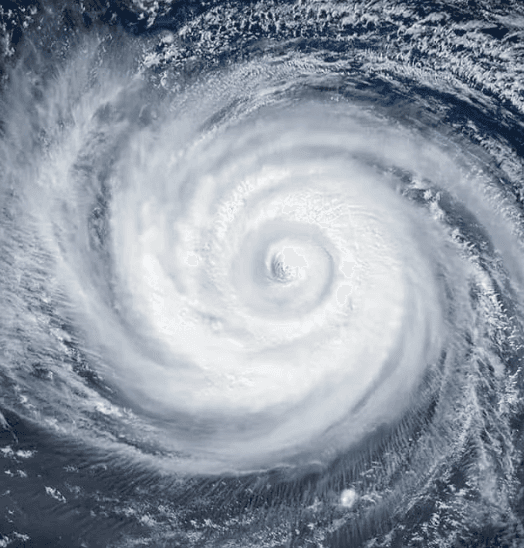

Beware of external links.
Beware of external links.
Frequently Asked Questions