
Recent Eastern Pacific activity centers on Tropical Storm Hernan near 18°N 132°W with 45 mph winds as of August 13, alongside mentions of Tropical Storm Lala, following the dissipation of major Hurricane Genevieve in early August. El Niño conditions are enhancing sea surface temperatures and reducing shear across the basin, supporting the above-normal seasonal outlook of 15–22 named storms. NHC model consensus shows variable intensification potential for these systems over the next several days, with steering patterns and dry air intrusions introducing uncertainty in exact timing. This scientific variability—coupled with active monitoring of disturbance evolution—explains the closely matched market-implied odds across mid-to-late August windows versus the chance of no additional hurricanes before September.
Experimental AI-generated summary referencing Polymarket data. This is not trading advice and plays no role in how this market resolves. · UpdatedWhen will the next hurricane form in the Pacific?
When will the next hurricane form in the Pacific?
August 27 to August 31, 2026 39%
August 13 to August 16, 2026 37%
No Pacific hurricane will form in August 2026 30%
August 22 to August 26, 2026 23%
August 13 to August 16, 2026
34%
August 17 to August 21, 2026
18%
August 22 to August 26, 2026
26%
August 27 to August 31, 2026
39%
No Pacific hurricane will form in August 2026
22%
August 27 to August 31, 2026 39%
August 13 to August 16, 2026 37%
No Pacific hurricane will form in August 2026 30%
August 22 to August 26, 2026 23%
August 13 to August 16, 2026
34%
August 17 to August 21, 2026
18%
August 22 to August 26, 2026
26%
August 27 to August 31, 2026
39%
No Pacific hurricane will form in August 2026
22%
A tropical cyclone is considered a hurricane when it has maximum sustained winds of 74 mph or greater (Category 1 or higher on the Saffir-Simpson Hurricane Wind Scale). For this market, the "Pacific" comprises the Eastern Pacific basin and the Central Pacific basin as tracked by the NHC and CPHC. Systems classified as typhoons do not count. A system is considered to have "formed" as a hurricane at the date and time of the first NHC or CPHC public advisory that classifies a system in these basins as a hurricane. Resolution is based on that first advisory, regardless of any later downward revision or reclassification. The sole determinant of when the hurricane formed is the issuance timestamp of that first classifying advisory, not the estimated time at which the system's winds first reached 74 mph; for a system that straddles midnight between August 31 and September 1, 2026, the applicable bracket is determined solely by whether that advisory's issuance timestamp falls before or after 12:00 AM ET on September 1, 2026.
The bracket "No Pacific hurricane will form in August 2026" will resolve "Yes" if no NHC or CPHC advisory classifies any Eastern Pacific or Central Pacific system as a hurricane at any time from 12:00 AM ET on August 13, 2026 through 11:59 PM ET on August 31, 2026.
The resolution sources for this market are the U.S. National Hurricane Center (NHC), available here: https://www.nhc.noaa.gov/, and the Central Pacific Hurricane Center (CPHC), available here: https://www.nhc.noaa.gov/?cpac
Market Opened: Aug 12, 2026, 11:19 AM ET
Resolution Source
https://www.nhc.noaa.gov/Resolver
0x69c47De9D...A tropical cyclone is considered a hurricane when it has maximum sustained winds of 74 mph or greater (Category 1 or higher on the Saffir-Simpson Hurricane Wind Scale). For this market, the "Pacific" comprises the Eastern Pacific basin and the Central Pacific basin as tracked by the NHC and CPHC. Systems classified as typhoons do not count. A system is considered to have "formed" as a hurricane at the date and time of the first NHC or CPHC public advisory that classifies a system in these basins as a hurricane. Resolution is based on that first advisory, regardless of any later downward revision or reclassification. The sole determinant of when the hurricane formed is the issuance timestamp of that first classifying advisory, not the estimated time at which the system's winds first reached 74 mph; for a system that straddles midnight between August 31 and September 1, 2026, the applicable bracket is determined solely by whether that advisory's issuance timestamp falls before or after 12:00 AM ET on September 1, 2026.
The bracket "No Pacific hurricane will form in August 2026" will resolve "Yes" if no NHC or CPHC advisory classifies any Eastern Pacific or Central Pacific system as a hurricane at any time from 12:00 AM ET on August 13, 2026 through 11:59 PM ET on August 31, 2026.
The resolution sources for this market are the U.S. National Hurricane Center (NHC), available here: https://www.nhc.noaa.gov/, and the Central Pacific Hurricane Center (CPHC), available here: https://www.nhc.noaa.gov/?cpac
Resolution Source
https://www.nhc.noaa.gov/Resolver
0x69c47De9D...Recent Eastern Pacific activity centers on Tropical Storm Hernan near 18°N 132°W with 45 mph winds as of August 13, alongside mentions of Tropical Storm Lala, following the dissipation of major Hurricane Genevieve in early August. El Niño conditions are enhancing sea surface temperatures and reducing shear across the basin, supporting the above-normal seasonal outlook of 15–22 named storms. NHC model consensus shows variable intensification potential for these systems over the next several days, with steering patterns and dry air intrusions introducing uncertainty in exact timing. This scientific variability—coupled with active monitoring of disturbance evolution—explains the closely matched market-implied odds across mid-to-late August windows versus the chance of no additional hurricanes before September.
Experimental AI-generated summary referencing Polymarket data. This is not trading advice and plays no role in how this market resolves. · Updated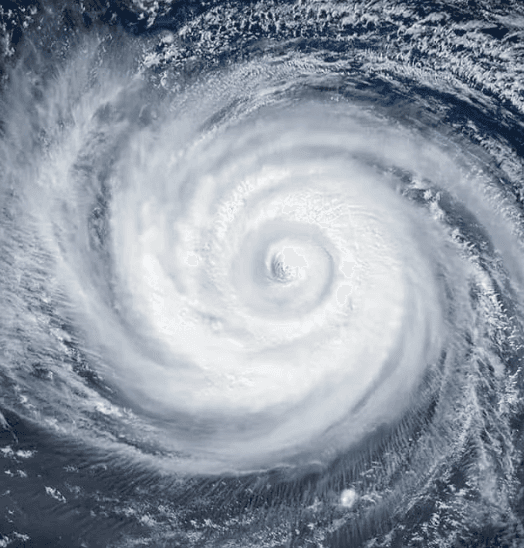
Beware of external links.
Beware of external links.
Frequently Asked Questions