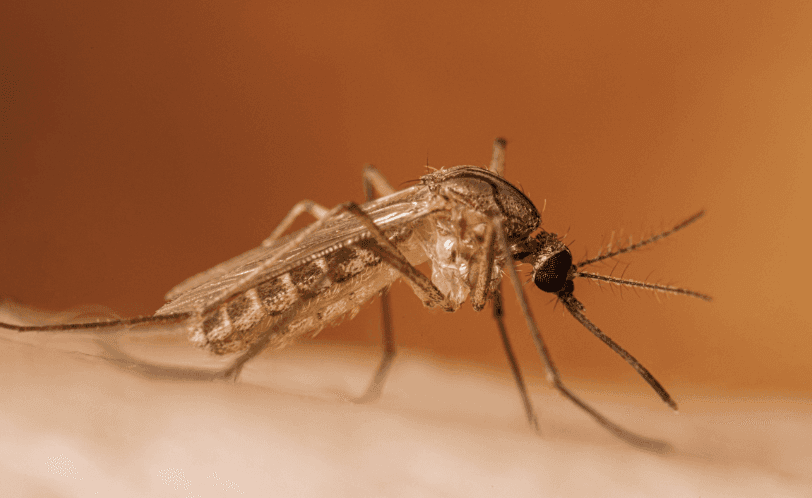
Elevated early-season West Nile virus activity in New York City mosquitoes, with 1,568 positive pools detected by early September 2026—nearly double prior-year levels and starting in mid-June—has shaped trader views toward the 20–34 neuroinvasive case range. Official NYC surveillance shows nine confirmed West Nile neuroinvasive disease cases and three milder infections so far, consistent with transmission peaking in August–September via Culex mosquitoes under warm, humid conditions that boost vector abundance and viral replication. Historical data indicate recent annual averages of 16–31 cases (higher than the 2012–2021 baseline of 16), influenced by temperature and precipitation patterns, though intensified larviciding and public advisories may moderate totals. Remaining weeks through October and any late model shifts introduce uncertainty around the 52.5% market-implied probability for 20–34 outcomes.
Experimental AI-generated summary referencing Polymarket data. This is not trading advice and plays no role in how this market resolves. · UpdatedHow many West Nile neuroinvasive disease cases will be reported among New York City residents in 2026?
How many West Nile neuroinvasive disease cases will be reported among New York City residents in 2026?
20 to 34 53%
35 to 49 27%
Fewer than 20 12.2%
50 or more 4.5%
$11,744 Vol.
$11,744 Vol.
Fewer than 20
12%
20 to 34
53%
35 to 49
27%
50 or more
5%
20 to 34 53%
35 to 49 27%
Fewer than 20 12.2%
50 or more 4.5%
$11,744 Vol.
$11,744 Vol.
Fewer than 20
12%
20 to 34
53%
35 to 49
27%
50 or more
5%
Cases are counted as whole numbers, so each outcome covers a distinct range with no overlap or gap.
The 2026 count shown on the source as of January 1, 2027 is the starting figure.
If the DOHMH publishes or revises the 2026 count on or after January 1, 2027, this market will resolve based on the count shown on the source at 11:59 PM ET on the 14th day after the first such update, or on March 31, 2027, 11:59 PM ET, whichever comes first. If no such update occurs, this market will resolve on March 31, 2027, 11:59 PM ET, based on the 2026 count shown on the source at that time.
If no 2026 count has been published on the source by March 31, 2027, 11:59 PM ET, this market will resolve based on the sum of 2026 West Nile neuroinvasive disease case counts reported by CDC ArboNET for the five New York City counties (Bronx, Kings, New York, Queens, and Richmond). Revisions published after this market resolves will not be considered. If the DOHMH changes its reporting format or URL structure, the closest equivalent NYC Health Department publication of 2026 West Nile neuroinvasive case data will be used.
Market Opened: Aug 20, 2026, 5:18 PM ET
Resolver
0x69c47De9D...Cases are counted as whole numbers, so each outcome covers a distinct range with no overlap or gap.
The 2026 count shown on the source as of January 1, 2027 is the starting figure.
If the DOHMH publishes or revises the 2026 count on or after January 1, 2027, this market will resolve based on the count shown on the source at 11:59 PM ET on the 14th day after the first such update, or on March 31, 2027, 11:59 PM ET, whichever comes first. If no such update occurs, this market will resolve on March 31, 2027, 11:59 PM ET, based on the 2026 count shown on the source at that time.
If no 2026 count has been published on the source by March 31, 2027, 11:59 PM ET, this market will resolve based on the sum of 2026 West Nile neuroinvasive disease case counts reported by CDC ArboNET for the five New York City counties (Bronx, Kings, New York, Queens, and Richmond). Revisions published after this market resolves will not be considered. If the DOHMH changes its reporting format or URL structure, the closest equivalent NYC Health Department publication of 2026 West Nile neuroinvasive case data will be used.
Resolver
0x69c47De9D...Elevated early-season West Nile virus activity in New York City mosquitoes, with 1,568 positive pools detected by early September 2026—nearly double prior-year levels and starting in mid-June—has shaped trader views toward the 20–34 neuroinvasive case range. Official NYC surveillance shows nine confirmed West Nile neuroinvasive disease cases and three milder infections so far, consistent with transmission peaking in August–September via Culex mosquitoes under warm, humid conditions that boost vector abundance and viral replication. Historical data indicate recent annual averages of 16–31 cases (higher than the 2012–2021 baseline of 16), influenced by temperature and precipitation patterns, though intensified larviciding and public advisories may moderate totals. Remaining weeks through October and any late model shifts introduce uncertainty around the 52.5% market-implied probability for 20–34 outcomes.
Experimental AI-generated summary referencing Polymarket data. This is not trading advice and plays no role in how this market resolves. · Updated

Beware of external links.
Beware of external links.
Frequently Asked Questions