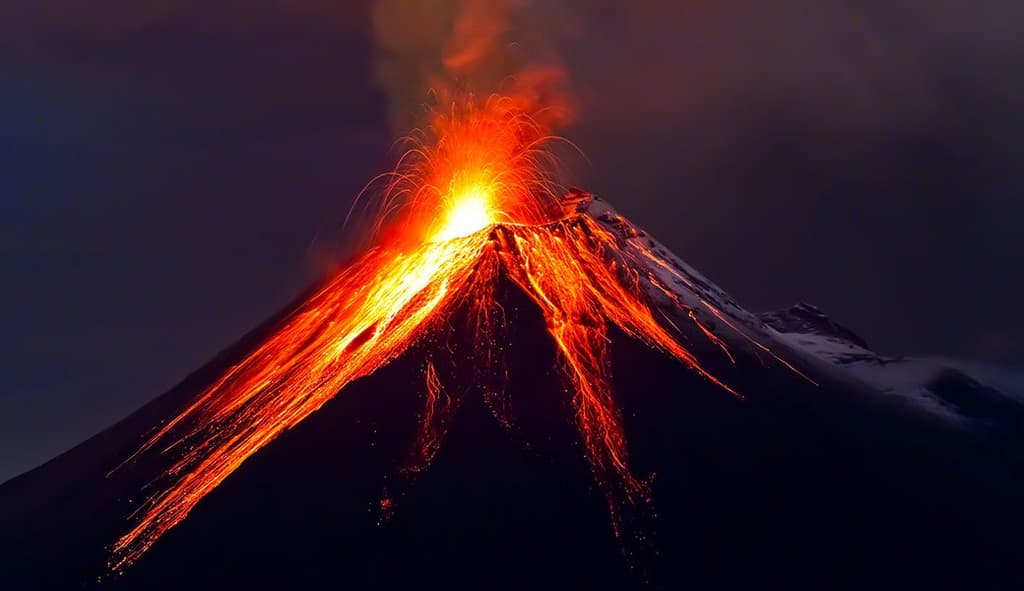
**No VEI ≥4 eruptions have been confirmed in 2026 through mid-August, according to Smithsonian Global Volcanism Program data tracking 47 total eruptions this year.** Most documented activity involves smaller events at volcanoes such as Etna, Fuego, and Icelandic systems, which typically register VEI 1–3. The VEI scale quantifies explosivity primarily by erupted volume and plume height, with VEI 4 requiring roughly 0.1 km³ of material and plumes reaching 10–25 km. Such events remain statistically infrequent, with many calendar years recording zero globally due to the episodic nature of magmatic systems and the specific conditions needed for larger explosions. Trader consensus reflected in the 59.5% implied probability for zero aligns with this baseline rate and the absence of unrest signals at high-risk calderas. Remaining months of 2026 could still see shifts if new monitoring data from agencies like USGS or regional observatories indicate escalating activity at candidate volcanoes.
Experimental AI-generated summary referencing Polymarket data. This is not trading advice and plays no role in how this market resolves. · UpdatedHow many large volcano eruptions (VEI ≥4) in 2026?
How many large volcano eruptions (VEI ≥4) in 2026?
0 62%
1 20%
2 3.6%
5+ 1.0%
$1,156,005 Vol.
$1,156,005 Vol.
0
62%
1
20%
2
4%
3
1%
4
1%
5+
1%
0 62%
1 20%
2 3.6%
5+ 1.0%
$1,156,005 Vol.
$1,156,005 Vol.
0
62%
1
20%
2
4%
3
1%
4
1%
5+
1%
The primary resolution source will be the Smithsonian Institution Global Volcanism Program (GVP: https://volcano.si.edu/), specifically the cumulative figures for 2026 for VEI 4, VEI 5, and VEI 6 released on the page currently titled "Eruptions Avg 2000-2024 (N/T)" (https://volcano.si.edu/faq/index.cfm?question=eruptionsbyyear) as of March 31, 2027, 12 PM ET. Any prior updates will not be considered finalized.
If this dataset has not been updated to include all relevant events by March 31, 2027, or if the Smithsonian GVP becomes permanently unavailable, this market may resolve based on a consensus of credible scientific sources, including the U.S. Geological Survey (USGS), national or regional volcanic observatories, or credible reporting of a scientific consensus.
Note: Smithsonian Institution Global Volcanism Program databases, which include eruptions that reached the relevant threshold prior to this market’s timeframe (e.g., https://volcano.si.edu/faq/index.cfm?question=eruptionsbyyear&checkyear=2025), will not be considered.
Market Opened: Jan 2, 2026, 1:48 PM ET
Resolver
0x2F5e3684c...The primary resolution source will be the Smithsonian Institution Global Volcanism Program (GVP: https://volcano.si.edu/), specifically the cumulative figures for 2026 for VEI 4, VEI 5, and VEI 6 released on the page currently titled "Eruptions Avg 2000-2024 (N/T)" (https://volcano.si.edu/faq/index.cfm?question=eruptionsbyyear) as of March 31, 2027, 12 PM ET. Any prior updates will not be considered finalized.
If this dataset has not been updated to include all relevant events by March 31, 2027, or if the Smithsonian GVP becomes permanently unavailable, this market may resolve based on a consensus of credible scientific sources, including the U.S. Geological Survey (USGS), national or regional volcanic observatories, or credible reporting of a scientific consensus.
Note: Smithsonian Institution Global Volcanism Program databases, which include eruptions that reached the relevant threshold prior to this market’s timeframe (e.g., https://volcano.si.edu/faq/index.cfm?question=eruptionsbyyear&checkyear=2025), will not be considered.
Resolver
0x2F5e3684c...**No VEI ≥4 eruptions have been confirmed in 2026 through mid-August, according to Smithsonian Global Volcanism Program data tracking 47 total eruptions this year.** Most documented activity involves smaller events at volcanoes such as Etna, Fuego, and Icelandic systems, which typically register VEI 1–3. The VEI scale quantifies explosivity primarily by erupted volume and plume height, with VEI 4 requiring roughly 0.1 km³ of material and plumes reaching 10–25 km. Such events remain statistically infrequent, with many calendar years recording zero globally due to the episodic nature of magmatic systems and the specific conditions needed for larger explosions. Trader consensus reflected in the 59.5% implied probability for zero aligns with this baseline rate and the absence of unrest signals at high-risk calderas. Remaining months of 2026 could still see shifts if new monitoring data from agencies like USGS or regional observatories indicate escalating activity at candidate volcanoes.
Experimental AI-generated summary referencing Polymarket data. This is not trading advice and plays no role in how this market resolves. · Updated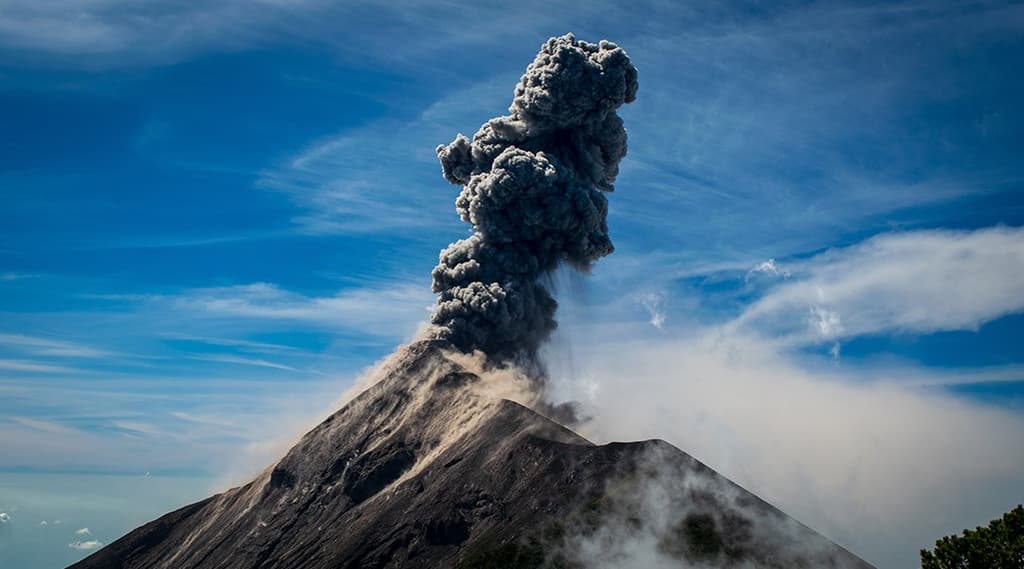
Beware of external links.
Beware of external links.
Frequently Asked Questions