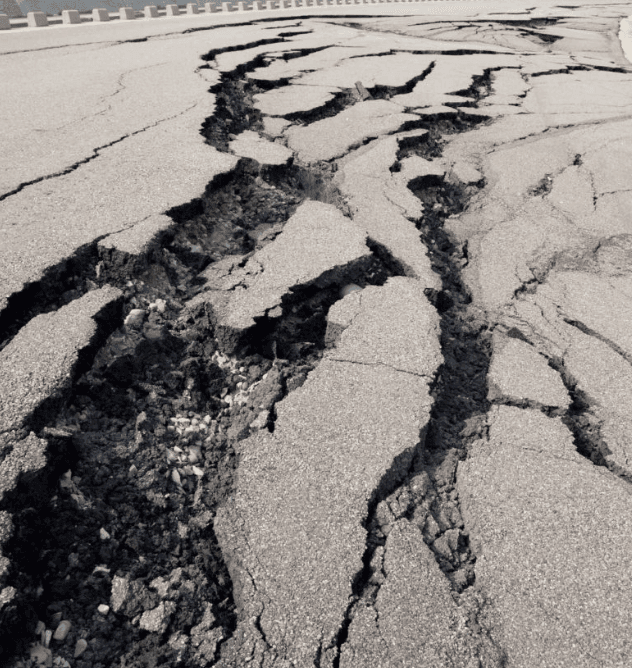
No at 97.2% reflects the low annual probability of a magnitude 7.0+ earthquake in California combined with the absence of any such event through mid-August 2026. USGS records show the year's largest quake reached only magnitude 5.6 near Willits in June, consistent with modest background seismicity and no foreshock sequences or model indications of elevated short-term risk. Statewide recurrence intervals for M7+ ruptures on major faults such as the San Andreas typically span decades to centuries, producing roughly a 5–10% chance in any given year per UCERF3 analyses. With fewer than five months remaining, the implied odds of a qualifying event decline sharply unless an unforeseen rupture occurs.
Experimental AI-generated summary referencing Polymarket data. This is not trading advice and plays no role in how this market resolves. · UpdatedWill California experience a 7.0 or above magnitude earthquake in 2026?
Will California experience a 7.0 or above magnitude earthquake in 2026?
3% chance
NEW
NEW
Jan 1, 2027
3% chance
NEW
NEW
Jan 1, 2027
This market will resolve "Yes" if the United States Geological Survey (USGS) (https://www.usgs.gov/programs/earthquake-hazards/lists-maps-and-statistics) reports at least one earthquake of moment magnitude (Mw) 7.0 or greater with an epicenter located within the state of California by December 31, 2026 at 11:59:59 PM ET. Otherwise, this market will resolve "No".
The state of California includes the entirety of California as recognized under U.S. law including offshore areas within California's territorial boundaries. Earthquakes occurring on the California border must have their USGS-listed epicenter coordinates fall within California's boundaries.
Any individual event meeting the magnitude and location criteria resolves the market "Yes", regardless of whether it is classified as a mainshock, aftershock, or foreshock.
Resolution will be based on the USGS's final reviewed magnitude, not preliminary estimates, regardless of when that review is published, but the qualifying earthquake needs to have occurred within California by December 31, 2026 at 11:59:59 PM ET. This market will resolve based on official information from USGS, however, an overwhelming consensus of credible reporting confirming a qualifying earthquake may also resolve this market in an instance where USGS becomes unavailable. No at 97.2% reflects the low annual probability of a magnitude 7.0+ earthquake in California combined with the absence of any such event through mid-August 2026. USGS records show the year's largest quake reached only magnitude 5.6 near Willits in June, consistent with modest background seismicity and no foreshock sequences or model indications of elevated short-term risk. Statewide recurrence intervals for M7+ ruptures on major faults such as the San Andreas typically span decades to centuries, producing roughly a 5–10% chance in any given year per UCERF3 analyses. With fewer than five months remaining, the implied odds of a qualifying event decline sharply unless an unforeseen rupture occurs.
This market will resolve "Yes" if the United States Geological Survey (USGS) (https://www.usgs.gov/programs/earthquake-hazards/lists-maps-and-statistics) reports at least one earthquake of moment magnitude (Mw) 7.0 or greater with an epicenter located within the state of California by December 31, 2026 at 11:59:59 PM ET. Otherwise, this market will resolve "No".
The state of California includes the entirety of California as recognized under U.S. law including offshore areas within California's territorial boundaries. Earthquakes occurring on the California border must have their USGS-listed epicenter coordinates fall within California's boundaries.
Any individual event meeting the magnitude and location criteria resolves the market "Yes", regardless of whether it is classified as a mainshock, aftershock, or foreshock.
Resolution will be based on the USGS's final reviewed magnitude, not preliminary estimates, regardless of when that review is published, but the qualifying earthquake needs to have occurred within California by December 31, 2026 at 11:59:59 PM ET. This market will resolve based on official information from USGS, however, an overwhelming consensus of credible reporting confirming a qualifying earthquake may also resolve this market in an instance where USGS becomes unavailable.
The state of California includes the entirety of California as recognized under U.S. law including offshore areas within California's territorial boundaries. Earthquakes occurring on the California border must have their USGS-listed epicenter coordinates fall within California's boundaries.
Any individual event meeting the magnitude and location criteria resolves the market "Yes", regardless of whether it is classified as a mainshock, aftershock, or foreshock.
Resolution will be based on the USGS's final reviewed magnitude, not preliminary estimates, regardless of when that review is published, but the qualifying earthquake needs to have occurred within California by December 31, 2026 at 11:59:59 PM ET. This market will resolve based on official information from USGS, however, an overwhelming consensus of credible reporting confirming a qualifying earthquake may also resolve this market in an instance where USGS becomes unavailable.
Market Opened: Jul 24, 2026, 2:32 PM ET
Volume
$3,348End Date
Jan 1, 2027Market Opened
Jul 24, 2026, 2:32 PM ETResolver
0x65070BE91...This market will resolve "Yes" if the United States Geological Survey (USGS) (https://www.usgs.gov/programs/earthquake-hazards/lists-maps-and-statistics) reports at least one earthquake of moment magnitude (Mw) 7.0 or greater with an epicenter located within the state of California by December 31, 2026 at 11:59:59 PM ET. Otherwise, this market will resolve "No".
The state of California includes the entirety of California as recognized under U.S. law including offshore areas within California's territorial boundaries. Earthquakes occurring on the California border must have their USGS-listed epicenter coordinates fall within California's boundaries.
Any individual event meeting the magnitude and location criteria resolves the market "Yes", regardless of whether it is classified as a mainshock, aftershock, or foreshock.
Resolution will be based on the USGS's final reviewed magnitude, not preliminary estimates, regardless of when that review is published, but the qualifying earthquake needs to have occurred within California by December 31, 2026 at 11:59:59 PM ET. This market will resolve based on official information from USGS, however, an overwhelming consensus of credible reporting confirming a qualifying earthquake may also resolve this market in an instance where USGS becomes unavailable. No at 97.2% reflects the low annual probability of a magnitude 7.0+ earthquake in California combined with the absence of any such event through mid-August 2026. USGS records show the year's largest quake reached only magnitude 5.6 near Willits in June, consistent with modest background seismicity and no foreshock sequences or model indications of elevated short-term risk. Statewide recurrence intervals for M7+ ruptures on major faults such as the San Andreas typically span decades to centuries, producing roughly a 5–10% chance in any given year per UCERF3 analyses. With fewer than five months remaining, the implied odds of a qualifying event decline sharply unless an unforeseen rupture occurs.
This market will resolve "Yes" if the United States Geological Survey (USGS) (https://www.usgs.gov/programs/earthquake-hazards/lists-maps-and-statistics) reports at least one earthquake of moment magnitude (Mw) 7.0 or greater with an epicenter located within the state of California by December 31, 2026 at 11:59:59 PM ET. Otherwise, this market will resolve "No".
The state of California includes the entirety of California as recognized under U.S. law including offshore areas within California's territorial boundaries. Earthquakes occurring on the California border must have their USGS-listed epicenter coordinates fall within California's boundaries.
Any individual event meeting the magnitude and location criteria resolves the market "Yes", regardless of whether it is classified as a mainshock, aftershock, or foreshock.
Resolution will be based on the USGS's final reviewed magnitude, not preliminary estimates, regardless of when that review is published, but the qualifying earthquake needs to have occurred within California by December 31, 2026 at 11:59:59 PM ET. This market will resolve based on official information from USGS, however, an overwhelming consensus of credible reporting confirming a qualifying earthquake may also resolve this market in an instance where USGS becomes unavailable.
The state of California includes the entirety of California as recognized under U.S. law including offshore areas within California's territorial boundaries. Earthquakes occurring on the California border must have their USGS-listed epicenter coordinates fall within California's boundaries.
Any individual event meeting the magnitude and location criteria resolves the market "Yes", regardless of whether it is classified as a mainshock, aftershock, or foreshock.
Resolution will be based on the USGS's final reviewed magnitude, not preliminary estimates, regardless of when that review is published, but the qualifying earthquake needs to have occurred within California by December 31, 2026 at 11:59:59 PM ET. This market will resolve based on official information from USGS, however, an overwhelming consensus of credible reporting confirming a qualifying earthquake may also resolve this market in an instance where USGS becomes unavailable.
Volume
$3,348End Date
Jan 1, 2027Market Opened
Jul 24, 2026, 2:32 PM ETResolver
0x65070BE91...No at 97.2% reflects the low annual probability of a magnitude 7.0+ earthquake in California combined with the absence of any such event through mid-August 2026. USGS records show the year's largest quake reached only magnitude 5.6 near Willits in June, consistent with modest background seismicity and no foreshock sequences or model indications of elevated short-term risk. Statewide recurrence intervals for M7+ ruptures on major faults such as the San Andreas typically span decades to centuries, producing roughly a 5–10% chance in any given year per UCERF3 analyses. With fewer than five months remaining, the implied odds of a qualifying event decline sharply unless an unforeseen rupture occurs.
Experimental AI-generated summary referencing Polymarket data. This is not trading advice and plays no role in how this market resolves. · Updated

Beware of external links.
Beware of external links.
Frequently Asked Questions