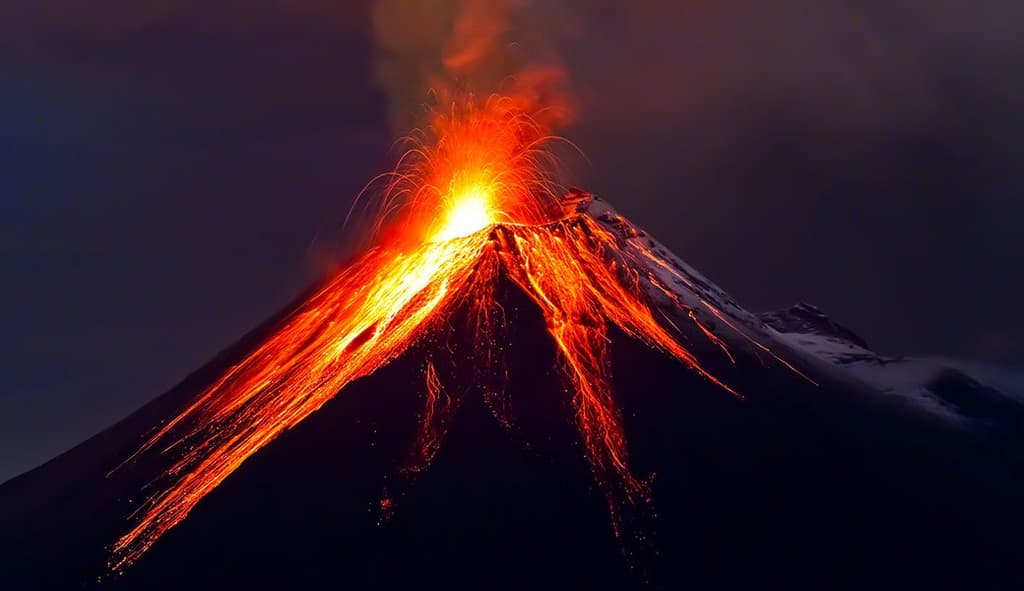
**No VEI ≥4 eruptions have occurred in 2026 through mid-August, supporting the market's 53% implied probability for zero.** Globally, such events remain infrequent; VEI 4 eruptions (roughly 0.1 km³ ejecta, plumes >10 km) average fewer than one per year historically, with VEI 5+ far rarer. Smithsonian Global Volcanism Program data through recent months list dozens of active volcanoes but assign only VEI ≤3 to notable 2026 activity, including Dukono's May explosive phase (VEI 3 per GDACS) and Kanlaon's repeated moderate events with 2 km plumes. Official monitoring by PHIVOLCS, USGS, and GVP shows ongoing unrest and smaller eruptions without escalation indicators. Remaining months carry low but non-zero risk of rapid intensification at restless systems, though model consensus and current observations favor continuation of the subdued pattern.
Experimental AI-generated summary referencing Polymarket data. This is not trading advice and plays no role in how this market resolves. · UpdatedHow many large volcano eruptions (VEI ≥4) in 2026?
How many large volcano eruptions (VEI ≥4) in 2026?
0 67%
1 20%
2 3.6%
5+ 1.0%
$1,156,045 Vol.
$1,156,045 Vol.
0
53%
1
20%
2
4%
3
1%
4
1%
5+
1%
0 67%
1 20%
2 3.6%
5+ 1.0%
$1,156,045 Vol.
$1,156,045 Vol.
0
53%
1
20%
2
4%
3
1%
4
1%
5+
1%
The primary resolution source will be the Smithsonian Institution Global Volcanism Program (GVP: https://volcano.si.edu/), specifically the cumulative figures for 2026 for VEI 4, VEI 5, and VEI 6 released on the page currently titled "Eruptions Avg 2000-2024 (N/T)" (https://volcano.si.edu/faq/index.cfm?question=eruptionsbyyear) as of March 31, 2027, 12 PM ET. Any prior updates will not be considered finalized.
If this dataset has not been updated to include all relevant events by March 31, 2027, or if the Smithsonian GVP becomes permanently unavailable, this market may resolve based on a consensus of credible scientific sources, including the U.S. Geological Survey (USGS), national or regional volcanic observatories, or credible reporting of a scientific consensus.
Note: Smithsonian Institution Global Volcanism Program databases, which include eruptions that reached the relevant threshold prior to this market’s timeframe (e.g., https://volcano.si.edu/faq/index.cfm?question=eruptionsbyyear&checkyear=2025), will not be considered.
Market Opened: Jan 2, 2026, 1:48 PM ET
Resolver
0x2F5e3684c...The primary resolution source will be the Smithsonian Institution Global Volcanism Program (GVP: https://volcano.si.edu/), specifically the cumulative figures for 2026 for VEI 4, VEI 5, and VEI 6 released on the page currently titled "Eruptions Avg 2000-2024 (N/T)" (https://volcano.si.edu/faq/index.cfm?question=eruptionsbyyear) as of March 31, 2027, 12 PM ET. Any prior updates will not be considered finalized.
If this dataset has not been updated to include all relevant events by March 31, 2027, or if the Smithsonian GVP becomes permanently unavailable, this market may resolve based on a consensus of credible scientific sources, including the U.S. Geological Survey (USGS), national or regional volcanic observatories, or credible reporting of a scientific consensus.
Note: Smithsonian Institution Global Volcanism Program databases, which include eruptions that reached the relevant threshold prior to this market’s timeframe (e.g., https://volcano.si.edu/faq/index.cfm?question=eruptionsbyyear&checkyear=2025), will not be considered.
Resolver
0x2F5e3684c...**No VEI ≥4 eruptions have occurred in 2026 through mid-August, supporting the market's 53% implied probability for zero.** Globally, such events remain infrequent; VEI 4 eruptions (roughly 0.1 km³ ejecta, plumes >10 km) average fewer than one per year historically, with VEI 5+ far rarer. Smithsonian Global Volcanism Program data through recent months list dozens of active volcanoes but assign only VEI ≤3 to notable 2026 activity, including Dukono's May explosive phase (VEI 3 per GDACS) and Kanlaon's repeated moderate events with 2 km plumes. Official monitoring by PHIVOLCS, USGS, and GVP shows ongoing unrest and smaller eruptions without escalation indicators. Remaining months carry low but non-zero risk of rapid intensification at restless systems, though model consensus and current observations favor continuation of the subdued pattern.
Experimental AI-generated summary referencing Polymarket data. This is not trading advice and plays no role in how this market resolves. · Updated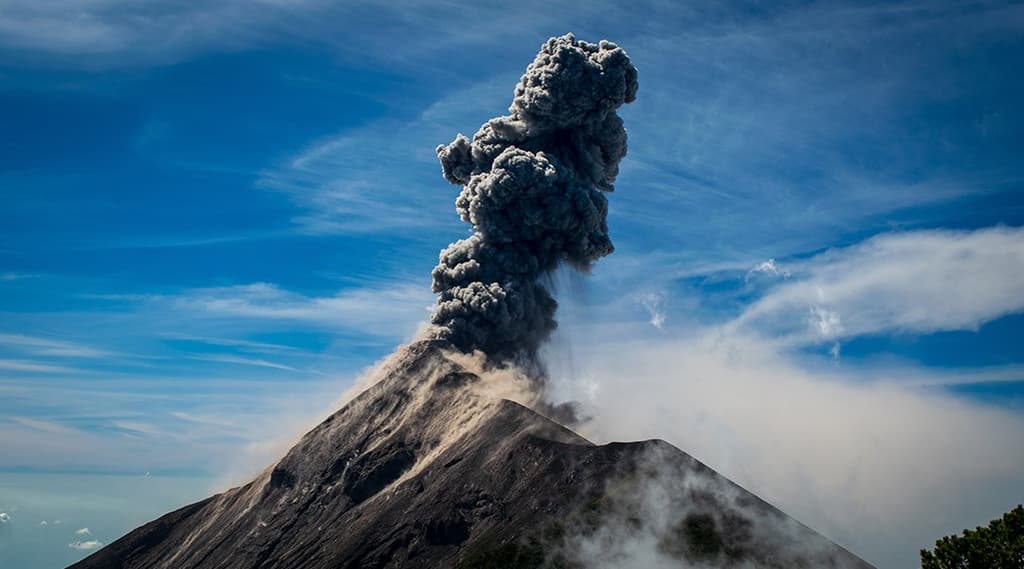
Beware of external links.
Beware of external links.
Frequently Asked Questions