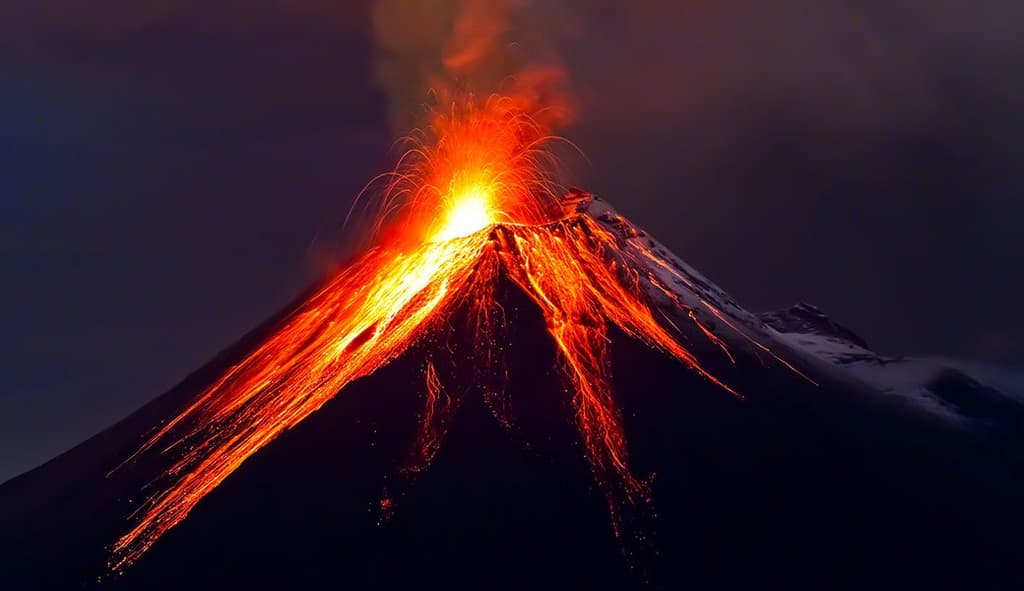
Major volcanic eruptions of VEI 6 or higher occur roughly once every 50–100 years on average, based on the geologic record, making the baseline annual probability low. With 2026 more than halfway complete and no confirmed events of this scale amid dozens of smaller ongoing eruptions worldwide, trader consensus heavily favors no occurrence. Current monitoring by agencies such as the USGS and Smithsonian shows only background activity at candidate systems, with no widespread magmatic unrest or accelerating inflation that typically precedes such events. While sudden escalation at volcanoes like Taal or Iwo Jima remains possible, historical patterns and the absence of precursors through mid-August reinforce the strong market-implied odds against a VEI ≥6 outcome this year.
Experimental AI-generated summary referencing Polymarket data. This is not trading advice and plays no role in how this market resolves. · UpdatedMajor volcano eruption (VEI ≥6) in 2026?
Major volcano eruption (VEI ≥6) in 2026?
$127,900 Vol.
$127,900 Vol.
$127,900 Vol.
$127,900 Vol.
The primary resolution source will be the Smithsonian Institution Global Volcanism Program (GVP: https://volcano.si.edu/), specifically the ‘VEI 6’ figure for 2026 released on the page currently titled "Eruptions Avg 2000-2024 (N/T)" (https://volcano.si.edu/faq/index.cfm?question=eruptionsbyyear) as of March 31, 2027, 12 PM ET. Any prior updates will not be considered finalized.
If this dataset has not been updated to include all relevant events by March 31, 2027, or if the Smithsonian GVP becomes permanently unavailable, this market may resolve based on a consensus of credible scientific sources, including the U.S. Geological Survey (USGS), national or regional volcanic observatories, or credible reporting of a scientific consensus.
Note: Smithsonian Institution Global Volcanism Program databases, which include eruptions that reached the relevant threshold prior to this market’s timeframe (e.g., https://volcano.si.edu/faq/index.cfm?question=eruptionsbyyear&checkyear=2025), will not be considered.
Market Opened: Dec 29, 2025, 6:24 PM ET
Resolver
0x65070BE91...The primary resolution source will be the Smithsonian Institution Global Volcanism Program (GVP: https://volcano.si.edu/), specifically the ‘VEI 6’ figure for 2026 released on the page currently titled "Eruptions Avg 2000-2024 (N/T)" (https://volcano.si.edu/faq/index.cfm?question=eruptionsbyyear) as of March 31, 2027, 12 PM ET. Any prior updates will not be considered finalized.
If this dataset has not been updated to include all relevant events by March 31, 2027, or if the Smithsonian GVP becomes permanently unavailable, this market may resolve based on a consensus of credible scientific sources, including the U.S. Geological Survey (USGS), national or regional volcanic observatories, or credible reporting of a scientific consensus.
Note: Smithsonian Institution Global Volcanism Program databases, which include eruptions that reached the relevant threshold prior to this market’s timeframe (e.g., https://volcano.si.edu/faq/index.cfm?question=eruptionsbyyear&checkyear=2025), will not be considered.
Resolver
0x65070BE91...Major volcanic eruptions of VEI 6 or higher occur roughly once every 50–100 years on average, based on the geologic record, making the baseline annual probability low. With 2026 more than halfway complete and no confirmed events of this scale amid dozens of smaller ongoing eruptions worldwide, trader consensus heavily favors no occurrence. Current monitoring by agencies such as the USGS and Smithsonian shows only background activity at candidate systems, with no widespread magmatic unrest or accelerating inflation that typically precedes such events. While sudden escalation at volcanoes like Taal or Iwo Jima remains possible, historical patterns and the absence of precursors through mid-August reinforce the strong market-implied odds against a VEI ≥6 outcome this year.
Experimental AI-generated summary referencing Polymarket data. This is not trading advice and plays no role in how this market resolves. · Updated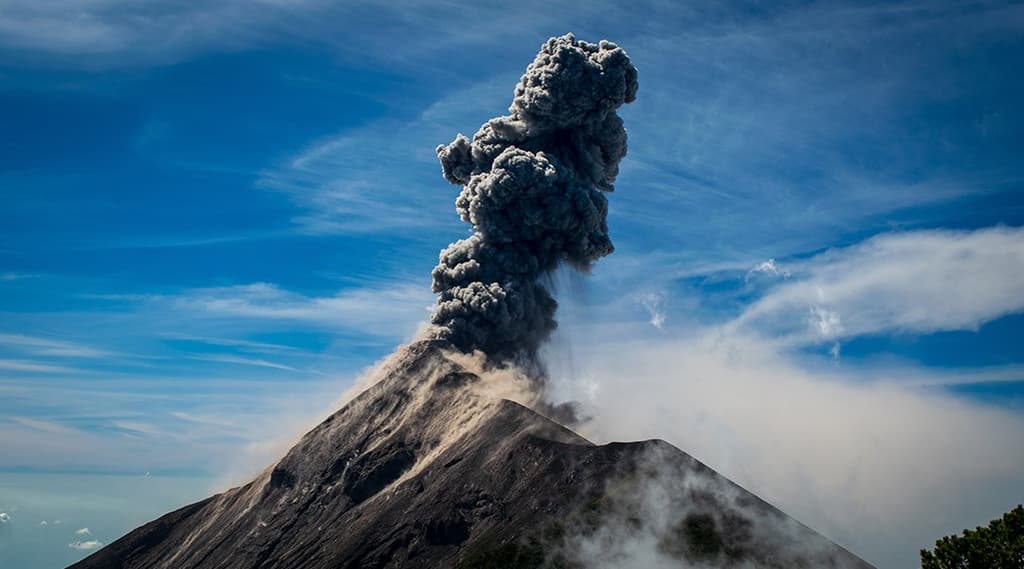
Beware of external links.
Beware of external links.
Frequently Asked Questions