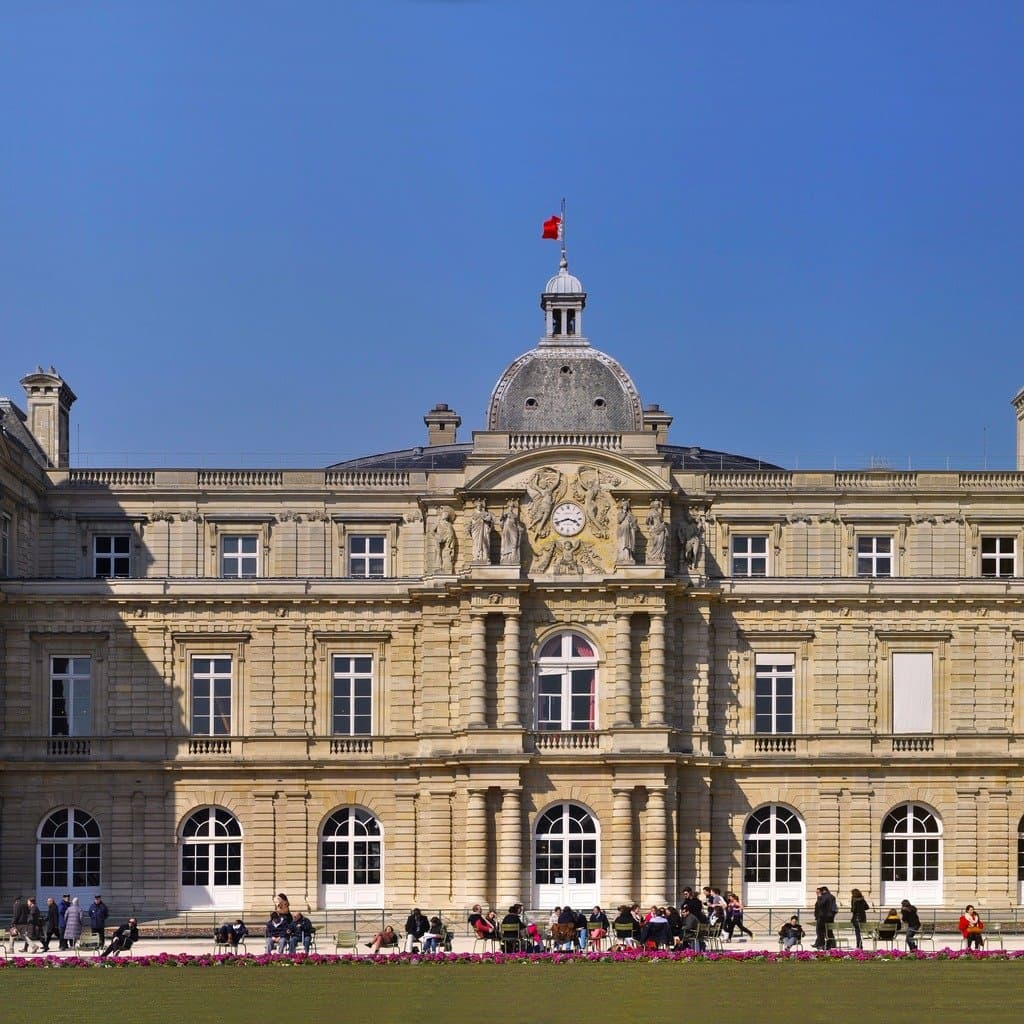
The upcoming September 27 partial renewal of 178 French Senate seats keeps the contest for second-most seats tightly balanced among Les Républicains, the Socialist group (SER), and Union Centriste, with traders assigning each a 44% implied probability. The indirect electoral college of roughly 162,000 local officials, refreshed by the March 2026 municipal results, favors continuity for centre-right and centrist lists in many departments while allowing socialists competitive gains in urban and left-leaning areas. Because only half the chamber turns over and current group sizes sit within a narrow range, modest shifts in a few key electoral colleges could reorder the standings without altering overall right-of-centre control. No single recent catalyst has broken the equilibrium, leaving outcomes dependent on turnout patterns and alliance discipline among local delegates through election day.
Experimental AI-generated summary referencing Polymarket data. This is not trading advice and plays no role in how this market resolves. · UpdatedLes Républicains 44%
SER 44%
Union Centriste 44%

Les Républicains
44%
SER
44%

Union Centriste
44%
Les Républicains 44%
SER 44%
Union Centriste 44%
Les Républicains
44%
SER
44%
Union Centriste
44%
This market will resolve according to which of the following three Senate groups holds the second-most French Senate seats as of October 12, 2026, 4:00 PM CEST: the Groupe Les Républicains, the Groupe Socialiste, Écologiste et Républicain (SER), or the Groupe Union Centriste.
The seat count for each group will be its total membership as published by the French Senate (senat.fr), counting members (membres), related (apparentés), and affiliated (rattachés).
A group will qualify as one of the three listed groups if it satisfies at least one of the following:
- Its official name includes the listed group's name or a clear variant thereof;
- Its political declaration published in the Official Journal (Journal Officiel) of France identifies it as a continuation of the listed group; or
- It is publicly recognized as the continuation of the listed group, and this characterization is confirmed by a consensus of credible reporting.
A group that changes its name will continue to qualify if it meets at least one of the criteria above. If two of the listed groups merge with each other, the merged group will be treated as the listed group that held more seats before the September 27, 2026 election, and the other listed group will be treated as holding no seats. If a listed group ceases to exist, it will be treated as holding no seats.
Groups will be primarily ranked by number of seats on October 12, 2026. If two or more groups are tied on seat count, ties will be broken by alphabetical order of the groups' listed names. This market will resolve to the group that occupies the second-highest finishing position after applying this ranking.
The administrative meeting of senators not appearing on the list of any group (RASNAG) will not qualify as a group for the purposes of this market.
If the groups' composition is not officially published, as of October 12, 2026, 4:00 PM CEST, this market will resolve to the group's listed name that comes second in alphabetical order.
The resolution source for this market will be publications of the French Senate (senat.fr) and the Official Journal of France, and a consensus of credible reporting.
Market Opened: Aug 19, 2026, 4:14 PM ET
Resolver
0x69c47De9D...This market will resolve according to which of the following three Senate groups holds the second-most French Senate seats as of October 12, 2026, 4:00 PM CEST: the Groupe Les Républicains, the Groupe Socialiste, Écologiste et Républicain (SER), or the Groupe Union Centriste.
The seat count for each group will be its total membership as published by the French Senate (senat.fr), counting members (membres), related (apparentés), and affiliated (rattachés).
A group will qualify as one of the three listed groups if it satisfies at least one of the following:
- Its official name includes the listed group's name or a clear variant thereof;
- Its political declaration published in the Official Journal (Journal Officiel) of France identifies it as a continuation of the listed group; or
- It is publicly recognized as the continuation of the listed group, and this characterization is confirmed by a consensus of credible reporting.
A group that changes its name will continue to qualify if it meets at least one of the criteria above. If two of the listed groups merge with each other, the merged group will be treated as the listed group that held more seats before the September 27, 2026 election, and the other listed group will be treated as holding no seats. If a listed group ceases to exist, it will be treated as holding no seats.
Groups will be primarily ranked by number of seats on October 12, 2026. If two or more groups are tied on seat count, ties will be broken by alphabetical order of the groups' listed names. This market will resolve to the group that occupies the second-highest finishing position after applying this ranking.
The administrative meeting of senators not appearing on the list of any group (RASNAG) will not qualify as a group for the purposes of this market.
If the groups' composition is not officially published, as of October 12, 2026, 4:00 PM CEST, this market will resolve to the group's listed name that comes second in alphabetical order.
The resolution source for this market will be publications of the French Senate (senat.fr) and the Official Journal of France, and a consensus of credible reporting.
Resolver
0x69c47De9D...The upcoming September 27 partial renewal of 178 French Senate seats keeps the contest for second-most seats tightly balanced among Les Républicains, the Socialist group (SER), and Union Centriste, with traders assigning each a 44% implied probability. The indirect electoral college of roughly 162,000 local officials, refreshed by the March 2026 municipal results, favors continuity for centre-right and centrist lists in many departments while allowing socialists competitive gains in urban and left-leaning areas. Because only half the chamber turns over and current group sizes sit within a narrow range, modest shifts in a few key electoral colleges could reorder the standings without altering overall right-of-centre control. No single recent catalyst has broken the equilibrium, leaving outcomes dependent on turnout patterns and alliance discipline among local delegates through election day.
Experimental AI-generated summary referencing Polymarket data. This is not trading advice and plays no role in how this market resolves. · Updated
Beware of external links.
Beware of external links.
Frequently Asked Questions