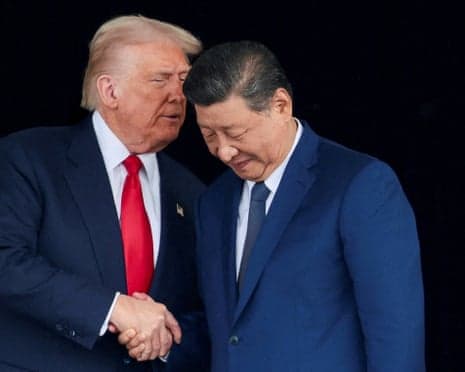
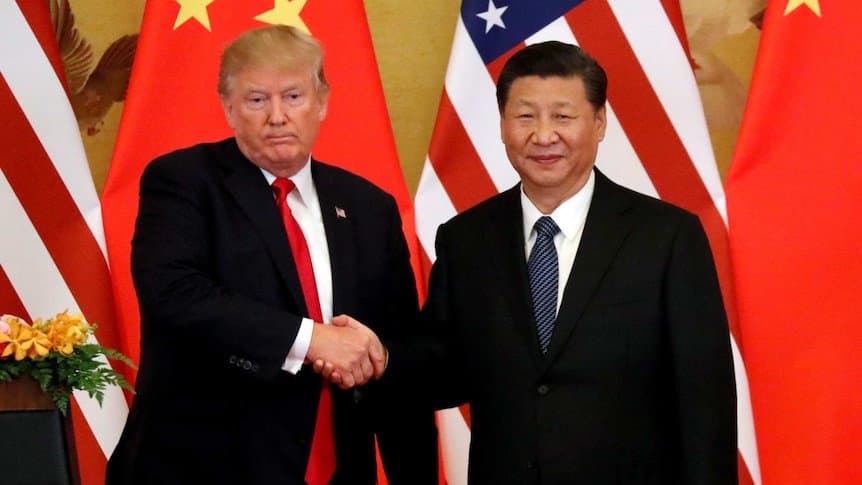
Traders assign a 97.2% probability against Trump endorsing Beijing’s sovereignty claim over Taiwan by the end of the September 24 White House summit because longstanding U.S. policy of strategic ambiguity, the Taiwan Relations Act, and repeated administration statements have reaffirmed continuity rather than any shift toward recognition of PRC claims. Officials including Secretary of State Marco Rubio have explicitly stated that U.S. policy remains unchanged following the May Beijing summit, while arms sales discussions have centered on leverage rather than policy reversal. This consensus reflects institutional constraints, alliance considerations with Taipei and regional partners, and the absence of any public signals favoring formal endorsement. A breakthrough trade package or other concessions could still introduce limited movement, though such an outcome would require an abrupt departure from established diplomatic parameters.
Experimental AI-generated summary referencing Polymarket data. This is not trading advice and plays no role in how this market resolves. · Updated$22,878 Vol.
$22,878 Vol.
$22,878 Vol.
$22,878 Vol.
This market will resolve to “Yes” if Donald Trump publicly endorses the People's Republic of China's claim of sovereignty over Taiwan by the end of this summit. Otherwise, this market will resolve to "No".
To qualify, Trump must make an explicit public statement affirming that Taiwan is part of China, that China has sovereignty over Taiwan, or that the United States supports China's claim to Taiwan.
Restating the long-standing United States "One China policy", acknowledging that China holds such a position, noting that the United States does not support Taiwanese independence, or declining to say whether the United States would defend Taiwan will not qualify, as none of these constitutes an endorsement of China's claim.
Any written, verbal, or recorded public statement by Trump qualifies. A statement issued jointly by the United States and China will qualify if Trump personally endorses it.
The summit will be considered to have ended at the end of the calendar day (ET) on which Xi Jinping physically departs from United States territory. No meetings, events, or statements which occur after this time will be considered.
If Xi Jinping does not physically enter the terrestrial or maritime territory of the United States by October 7, 2026, 11:59 PM ET, this market will resolve to “No”.
The resolution source will be a consensus of credible reporting.
Market Opened: Sep 16, 2026, 5:59 PM ET
Resolver
0x65070BE91...This market will resolve to “Yes” if Donald Trump publicly endorses the People's Republic of China's claim of sovereignty over Taiwan by the end of this summit. Otherwise, this market will resolve to "No".
To qualify, Trump must make an explicit public statement affirming that Taiwan is part of China, that China has sovereignty over Taiwan, or that the United States supports China's claim to Taiwan.
Restating the long-standing United States "One China policy", acknowledging that China holds such a position, noting that the United States does not support Taiwanese independence, or declining to say whether the United States would defend Taiwan will not qualify, as none of these constitutes an endorsement of China's claim.
Any written, verbal, or recorded public statement by Trump qualifies. A statement issued jointly by the United States and China will qualify if Trump personally endorses it.
The summit will be considered to have ended at the end of the calendar day (ET) on which Xi Jinping physically departs from United States territory. No meetings, events, or statements which occur after this time will be considered.
If Xi Jinping does not physically enter the terrestrial or maritime territory of the United States by October 7, 2026, 11:59 PM ET, this market will resolve to “No”.
The resolution source will be a consensus of credible reporting.
Resolver
0x65070BE91...Traders assign a 97.2% probability against Trump endorsing Beijing’s sovereignty claim over Taiwan by the end of the September 24 White House summit because longstanding U.S. policy of strategic ambiguity, the Taiwan Relations Act, and repeated administration statements have reaffirmed continuity rather than any shift toward recognition of PRC claims. Officials including Secretary of State Marco Rubio have explicitly stated that U.S. policy remains unchanged following the May Beijing summit, while arms sales discussions have centered on leverage rather than policy reversal. This consensus reflects institutional constraints, alliance considerations with Taipei and regional partners, and the absence of any public signals favoring formal endorsement. A breakthrough trade package or other concessions could still introduce limited movement, though such an outcome would require an abrupt departure from established diplomatic parameters.
Experimental AI-generated summary referencing Polymarket data. This is not trading advice and plays no role in how this market resolves. · Updated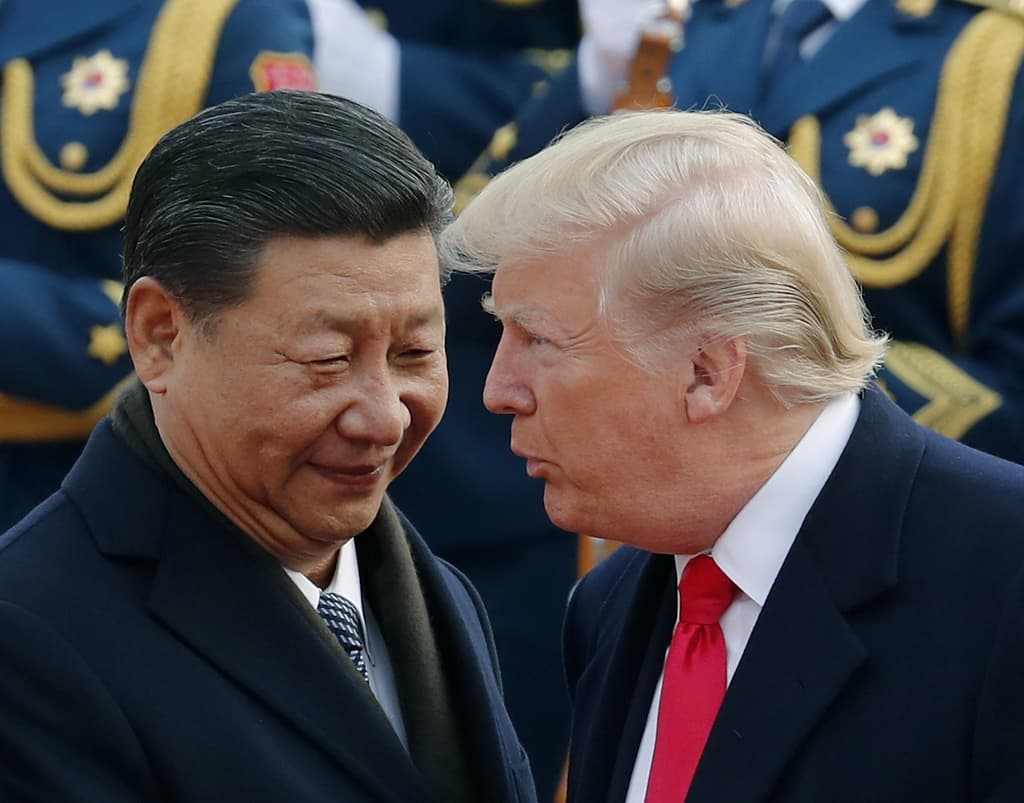
Beware of external links.
Beware of external links.
Frequently Asked Questions