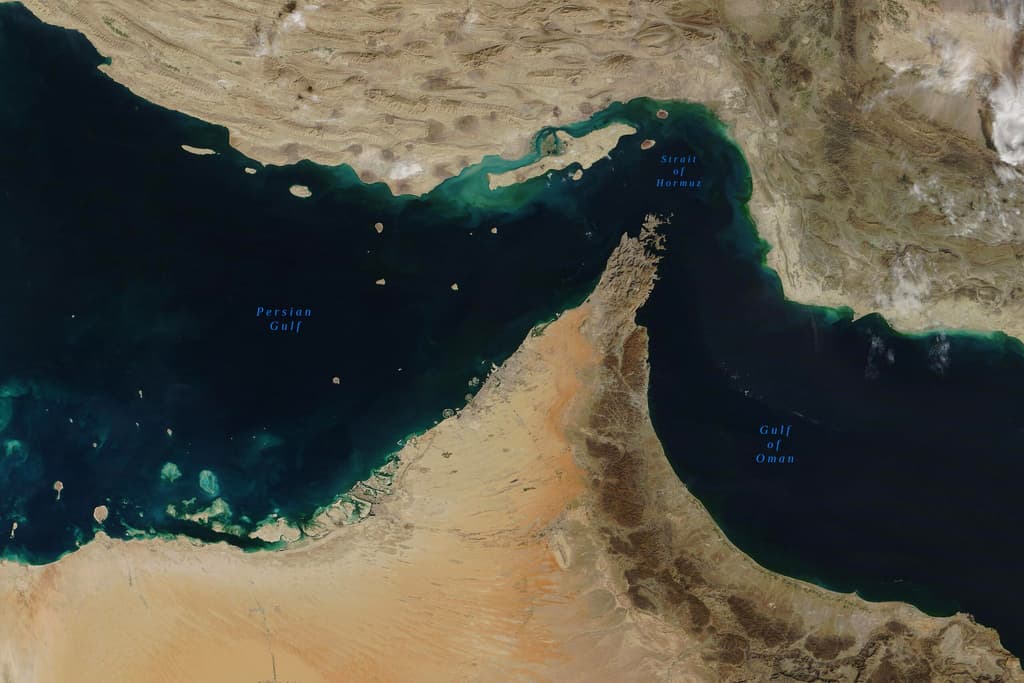
Persistent U.S.-Iran naval tensions and the reimposed American blockade continue to suppress vessel transits through the Strait of Hormuz, with daily traffic at just a handful of ships versus the pre-conflict average of over 100. Recent data from August 2026 shows volumes near 1% of normal levels following the breakdown of the June interim agreement, as Iran maintains demands for route control, potential tolls, and full blockade removal while rejecting deals that fall short. This uncertainty creates competitive odds, with traders weighing the risk of prolonged restrictions against the precedent of partial rebounds after cease-fires or Oman-mediated talks. A verified diplomatic breakthrough lifting the blockade and clearing security concerns could accelerate normalization before year-end, while renewed strikes or Iranian enforcement of alternative lanes would likely sustain disruptions.
Experimental AI-generated summary referencing Polymarket data. This is not trading advice and plays no role in how this market resolves. · Updated$8,041,908 Vol.
$8,041,908 Vol.
$8,041,908 Vol.
$8,041,908 Vol.
Daily transit calls include container, dry bulk, roll-on/roll-off, general cargo, and tanker ships. Ships not reported by IMF Portwatch will not be considered.
This market will resolve as soon as IMF Portwatch publishes a 7-day moving average of transit calls equal to or above the specified level, or once data has been published for the final date in the specified period and no such value has been published. If no data has been published for the final date of the specified period within 14 calendar days (ET) after the end of that period, this market will resolve based on data published up to that point.
Revisions to previously published data points made within this market’s timeframe will be considered. However, they will not disqualify a previously published data point from qualifying. Revisions to previously published data points after data is published for December 31, 2026, however, will not be considered.
In case of obvious data integrity issues (i.e., erroneous data), the market may remain open until the end of the third calendar day (ET) after the date on which such data is first released to allow for corrections. Data integrity issues refer only to clerical or other similar errors in the underlying data, and do not include cases where IMF Portwatch differs from alternative sources.
The resolution source for this market will be IMF Portwatch, specifically the transit calls data published for the Strait of Hormuz at https://portwatch.imf.org/pages/cb5856222a5b4105adc6ee7e880a1730, both in the chart and through downloadable files.
Market Opened: May 11, 2026, 8:59 AM ET
Resolver
0x65070BE91...Daily transit calls include container, dry bulk, roll-on/roll-off, general cargo, and tanker ships. Ships not reported by IMF Portwatch will not be considered.
This market will resolve as soon as IMF Portwatch publishes a 7-day moving average of transit calls equal to or above the specified level, or once data has been published for the final date in the specified period and no such value has been published. If no data has been published for the final date of the specified period within 14 calendar days (ET) after the end of that period, this market will resolve based on data published up to that point.
Revisions to previously published data points made within this market’s timeframe will be considered. However, they will not disqualify a previously published data point from qualifying. Revisions to previously published data points after data is published for December 31, 2026, however, will not be considered.
In case of obvious data integrity issues (i.e., erroneous data), the market may remain open until the end of the third calendar day (ET) after the date on which such data is first released to allow for corrections. Data integrity issues refer only to clerical or other similar errors in the underlying data, and do not include cases where IMF Portwatch differs from alternative sources.
The resolution source for this market will be IMF Portwatch, specifically the transit calls data published for the Strait of Hormuz at https://portwatch.imf.org/pages/cb5856222a5b4105adc6ee7e880a1730, both in the chart and through downloadable files.
Resolver
0x65070BE91...Persistent U.S.-Iran naval tensions and the reimposed American blockade continue to suppress vessel transits through the Strait of Hormuz, with daily traffic at just a handful of ships versus the pre-conflict average of over 100. Recent data from August 2026 shows volumes near 1% of normal levels following the breakdown of the June interim agreement, as Iran maintains demands for route control, potential tolls, and full blockade removal while rejecting deals that fall short. This uncertainty creates competitive odds, with traders weighing the risk of prolonged restrictions against the precedent of partial rebounds after cease-fires or Oman-mediated talks. A verified diplomatic breakthrough lifting the blockade and clearing security concerns could accelerate normalization before year-end, while renewed strikes or Iranian enforcement of alternative lanes would likely sustain disruptions.
Experimental AI-generated summary referencing Polymarket data. This is not trading advice and plays no role in how this market resolves. · Updated
Beware of external links.
Beware of external links.
Frequently Asked Questions