
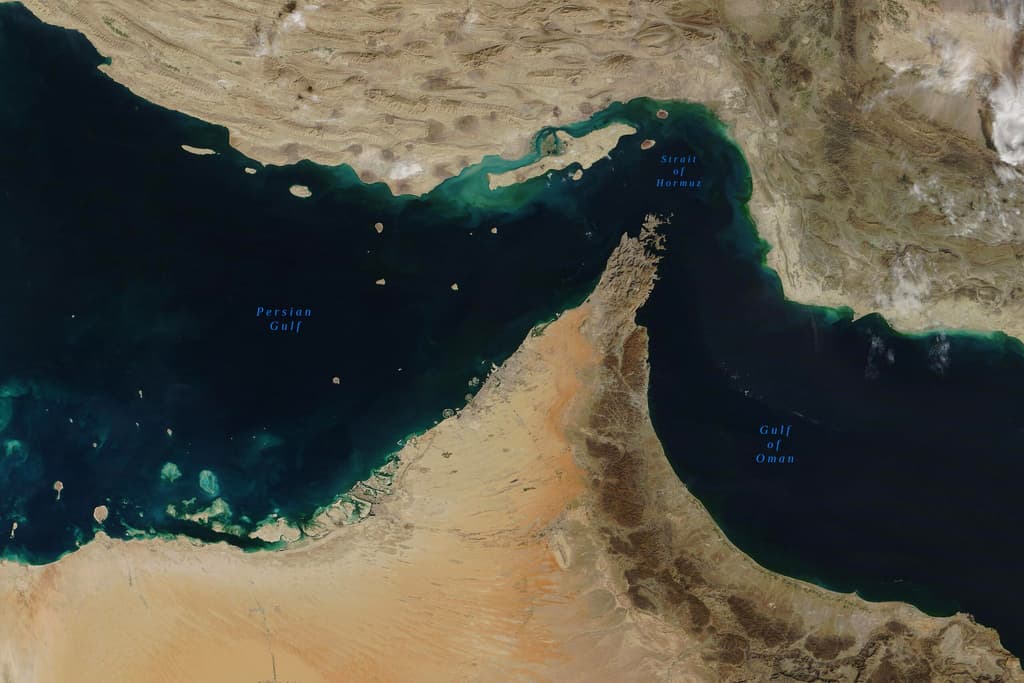
Trader sentiment for Strait of Hormuz ship transits reflects elevated uncertainty amid persistent geopolitical tensions in the Persian Gulf, with the market assigning a leading 23% implied probability to fewer than 20 vessels for the week of September 7. Closely matched alternatives—25-29 at 20% and 35-39 at 19%—highlight competitive dynamics driven by variable risk factors such as Iranian naval maneuvers, sanctions compliance, and spillover from broader Middle East conflicts. These elements create a wide distribution of outcomes, as traders weigh potential disruptions against baseline commercial flows. Oil price volatility and any near-term diplomatic signals serve as key swing factors ahead of the resolution window.
Experimental AI-generated summary referencing Polymarket data. This is not trading advice and plays no role in how this market resolves. · UpdatedHow many ships transit the Strait of Hormuz week of September 7?
How many ships transit the Strait of Hormuz week of September 7?
<20 24%
25-29 20%
35-39 19%
20-24 18%
NEW
NEW
Sep 13, 2026
<20
24%
20-24
18%
25-29
20%
30-34
13%
35-39
19%
40+
10%
<20 24%
25-29 20%
35-39 19%
20-24 18%
NEW
NEW
Sep 13, 2026
<20
$748 Vol.
24%
20-24
$185 Vol.
18%
25-29
$285 Vol.
20%
30-34
$207 Vol.
13%
35-39
$107 Vol.
19%
40+
$233 Vol.
10%
This market will resolve according to the total number of transit calls that IMF Portwatch reports for the Strait of Hormuz for all days from September 7, 2026, through September 13, 2026, inclusive.
Transit calls include container, dry bulk, roll-on/roll-off, general cargo, and tanker ships. Ships not reported by IMF Portwatch will not be considered.
This market will resolve as soon as all relevant data has been published. If the relevant data is not published within 14 calendar days of the specified date, this market will resolve based on the most recent data published up to that point.
In case of obvious data integrity issues (i.e., erroneous data), the market may remain open until the end of the third calendar day (ET) after the date on which such data is first released to allow for corrections. Data integrity issues refer only to clerical or other similar errors in the underlying data, and do not include cases where IMF Portwatch differs from alternative sources.
Only revisions to previously published data points made before all relevant data has been published will be considered.
The resolution source for this market will be IMF Portwatch, specifically the transit calls data published for the Strait of Hormuz at https://portwatch.imf.org/pages/cb5856222a5b4105adc6ee7e880a1730, both in the chart and through downloadable files.Trader sentiment for Strait of Hormuz ship transits reflects elevated uncertainty amid persistent geopolitical tensions in the Persian Gulf, with the market assigning a leading 23% implied probability to fewer than 20 vessels for the week of September 7. Closely matched alternatives—25-29 at 20% and 35-39 at 19%—highlight competitive dynamics driven by variable risk factors such as Iranian naval maneuvers, sanctions compliance, and spillover from broader Middle East conflicts. These elements create a wide distribution of outcomes, as traders weigh potential disruptions against baseline commercial flows. Oil price volatility and any near-term diplomatic signals serve as key swing factors ahead of the resolution window.
This market will resolve according to the total number of transit calls that IMF Portwatch reports for the Strait of Hormuz for all days from September 7, 2026, through September 13, 2026, inclusive.
Transit calls include container, dry bulk, roll-on/roll-off, general cargo, and tanker ships. Ships not reported by IMF Portwatch will not be considered.
This market will resolve as soon as all relevant data has been published. If the relevant data is not published within 14 calendar days of the specified date, this market will resolve based on the most recent data published up to that point.
In case of obvious data integrity issues (i.e., erroneous data), the market may remain open until the end of the third calendar day (ET) after the date on which such data is first released to allow for corrections. Data integrity issues refer only to clerical or other similar errors in the underlying data, and do not include cases where IMF Portwatch differs from alternative sources.
Only revisions to previously published data points made before all relevant data has been published will be considered.
The resolution source for this market will be IMF Portwatch, specifically the transit calls data published for the Strait of Hormuz at https://portwatch.imf.org/pages/cb5856222a5b4105adc6ee7e880a1730, both in the chart and through downloadable files.
Transit calls include container, dry bulk, roll-on/roll-off, general cargo, and tanker ships. Ships not reported by IMF Portwatch will not be considered.
This market will resolve as soon as all relevant data has been published. If the relevant data is not published within 14 calendar days of the specified date, this market will resolve based on the most recent data published up to that point.
In case of obvious data integrity issues (i.e., erroneous data), the market may remain open until the end of the third calendar day (ET) after the date on which such data is first released to allow for corrections. Data integrity issues refer only to clerical or other similar errors in the underlying data, and do not include cases where IMF Portwatch differs from alternative sources.
Only revisions to previously published data points made before all relevant data has been published will be considered.
The resolution source for this market will be IMF Portwatch, specifically the transit calls data published for the Strait of Hormuz at https://portwatch.imf.org/pages/cb5856222a5b4105adc6ee7e880a1730, both in the chart and through downloadable files.
Market Opened: Sep 3, 2026, 10:25 AM ET
Volume
$1,758End Date
Sep 13, 2026Market Opened
Sep 3, 2026, 10:25 AM ETResolver
0x69c47De9D...This market will resolve according to the total number of transit calls that IMF Portwatch reports for the Strait of Hormuz for all days from September 7, 2026, through September 13, 2026, inclusive.
Transit calls include container, dry bulk, roll-on/roll-off, general cargo, and tanker ships. Ships not reported by IMF Portwatch will not be considered.
This market will resolve as soon as all relevant data has been published. If the relevant data is not published within 14 calendar days of the specified date, this market will resolve based on the most recent data published up to that point.
In case of obvious data integrity issues (i.e., erroneous data), the market may remain open until the end of the third calendar day (ET) after the date on which such data is first released to allow for corrections. Data integrity issues refer only to clerical or other similar errors in the underlying data, and do not include cases where IMF Portwatch differs from alternative sources.
Only revisions to previously published data points made before all relevant data has been published will be considered.
The resolution source for this market will be IMF Portwatch, specifically the transit calls data published for the Strait of Hormuz at https://portwatch.imf.org/pages/cb5856222a5b4105adc6ee7e880a1730, both in the chart and through downloadable files.Trader sentiment for Strait of Hormuz ship transits reflects elevated uncertainty amid persistent geopolitical tensions in the Persian Gulf, with the market assigning a leading 23% implied probability to fewer than 20 vessels for the week of September 7. Closely matched alternatives—25-29 at 20% and 35-39 at 19%—highlight competitive dynamics driven by variable risk factors such as Iranian naval maneuvers, sanctions compliance, and spillover from broader Middle East conflicts. These elements create a wide distribution of outcomes, as traders weigh potential disruptions against baseline commercial flows. Oil price volatility and any near-term diplomatic signals serve as key swing factors ahead of the resolution window.
This market will resolve according to the total number of transit calls that IMF Portwatch reports for the Strait of Hormuz for all days from September 7, 2026, through September 13, 2026, inclusive.
Transit calls include container, dry bulk, roll-on/roll-off, general cargo, and tanker ships. Ships not reported by IMF Portwatch will not be considered.
This market will resolve as soon as all relevant data has been published. If the relevant data is not published within 14 calendar days of the specified date, this market will resolve based on the most recent data published up to that point.
In case of obvious data integrity issues (i.e., erroneous data), the market may remain open until the end of the third calendar day (ET) after the date on which such data is first released to allow for corrections. Data integrity issues refer only to clerical or other similar errors in the underlying data, and do not include cases where IMF Portwatch differs from alternative sources.
Only revisions to previously published data points made before all relevant data has been published will be considered.
The resolution source for this market will be IMF Portwatch, specifically the transit calls data published for the Strait of Hormuz at https://portwatch.imf.org/pages/cb5856222a5b4105adc6ee7e880a1730, both in the chart and through downloadable files.
Transit calls include container, dry bulk, roll-on/roll-off, general cargo, and tanker ships. Ships not reported by IMF Portwatch will not be considered.
This market will resolve as soon as all relevant data has been published. If the relevant data is not published within 14 calendar days of the specified date, this market will resolve based on the most recent data published up to that point.
In case of obvious data integrity issues (i.e., erroneous data), the market may remain open until the end of the third calendar day (ET) after the date on which such data is first released to allow for corrections. Data integrity issues refer only to clerical or other similar errors in the underlying data, and do not include cases where IMF Portwatch differs from alternative sources.
Only revisions to previously published data points made before all relevant data has been published will be considered.
The resolution source for this market will be IMF Portwatch, specifically the transit calls data published for the Strait of Hormuz at https://portwatch.imf.org/pages/cb5856222a5b4105adc6ee7e880a1730, both in the chart and through downloadable files.
Volume
$1,758End Date
Sep 13, 2026Market Opened
Sep 3, 2026, 10:25 AM ETResolver
0x69c47De9D...Trader sentiment for Strait of Hormuz ship transits reflects elevated uncertainty amid persistent geopolitical tensions in the Persian Gulf, with the market assigning a leading 23% implied probability to fewer than 20 vessels for the week of September 7. Closely matched alternatives—25-29 at 20% and 35-39 at 19%—highlight competitive dynamics driven by variable risk factors such as Iranian naval maneuvers, sanctions compliance, and spillover from broader Middle East conflicts. These elements create a wide distribution of outcomes, as traders weigh potential disruptions against baseline commercial flows. Oil price volatility and any near-term diplomatic signals serve as key swing factors ahead of the resolution window.
Experimental AI-generated summary referencing Polymarket data. This is not trading advice and plays no role in how this market resolves. · Updated
Beware of external links.
Beware of external links.
Frequently Asked Questions