
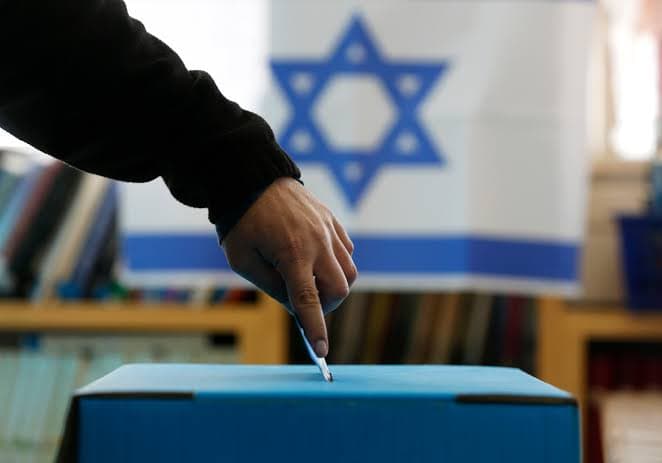
Israel's parliamentary system requires post-election coalition negotiations to secure a 61-seat Knesset majority for government formation, with the upcoming October 27, 2026 vote following the July dissolution marking the first contest since 2022. Current polling shows Netanyahu's right-wing bloc near 50 seats and opposition parties around 58-60, leaving Arab factions as potential swing votes that both major camps have often excluded from coalitions. This fragmentation, combined with the new Bennett-Lapid "Together" alliance and mixed surveys on bloc strength, underpins trader views that one election will likely produce a viable government. Historical cycles of repeated votes in deadlocked scenarios support the secondary probability on two elections, while the low odds on three or more reflect limited recent precedent for prolonged stalemate given the fixed timeline and party positioning.
Experimental AI-generated summary referencing Polymarket data. This is not trading advice and plays no role in how this market resolves. · Updated1 59%
2 23%
3 9%
4 5.0%
0
1%
1
59%
2
29%
3
9%
4
5%
5+
14%
1 59%
2 23%
3 9%
4 5.0%
0
1%
1
59%
2
29%
3
9%
4
5%
5+
14%
This market will resolve solely based on the number of elections that occur, where occurrence is defined as nationwide election-day voting open to eligible voters across Israel. Publication of an election’s results will have no bearing on this market.
Early or special voting mechanisms that occur before election day (e.g., voting by soldiers or citizens abroad) will not affect resolution. Only the dates of general election-day voting will count.
A government will be considered formed if it passes a vote of confidence in the Knesset.
The resolution source for this market will be a consensus of credible reporting.
Market Opened: Jul 28, 2026, 6:10 PM ET
Resolver
0x69c47De9D...This market will resolve solely based on the number of elections that occur, where occurrence is defined as nationwide election-day voting open to eligible voters across Israel. Publication of an election’s results will have no bearing on this market.
Early or special voting mechanisms that occur before election day (e.g., voting by soldiers or citizens abroad) will not affect resolution. Only the dates of general election-day voting will count.
A government will be considered formed if it passes a vote of confidence in the Knesset.
The resolution source for this market will be a consensus of credible reporting.
Resolver
0x69c47De9D...Israel's parliamentary system requires post-election coalition negotiations to secure a 61-seat Knesset majority for government formation, with the upcoming October 27, 2026 vote following the July dissolution marking the first contest since 2022. Current polling shows Netanyahu's right-wing bloc near 50 seats and opposition parties around 58-60, leaving Arab factions as potential swing votes that both major camps have often excluded from coalitions. This fragmentation, combined with the new Bennett-Lapid "Together" alliance and mixed surveys on bloc strength, underpins trader views that one election will likely produce a viable government. Historical cycles of repeated votes in deadlocked scenarios support the secondary probability on two elections, while the low odds on three or more reflect limited recent precedent for prolonged stalemate given the fixed timeline and party positioning.
Experimental AI-generated summary referencing Polymarket data. This is not trading advice and plays no role in how this market resolves. · Updated

Beware of external links.
Beware of external links.
Frequently Asked Questions