
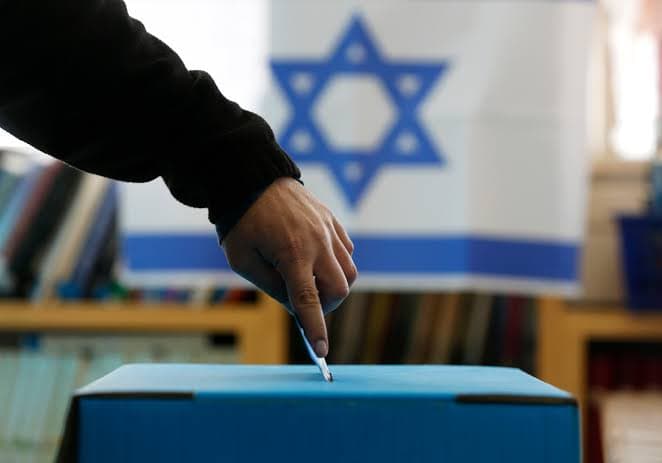
Israel's October 27, 2026, Knesset election follows Knesset dissolution on July 17 and marks the first full-term vote since 1988 amid ongoing regional conflicts and domestic polarization. Recent polling shows Netanyahu's right-wing and religious bloc at roughly 48-52 seats while opposition groupings led by figures such as Naftali Bennett, Yair Lapid, and Gadi Eisenkot reach 57-60, leaving both short of the 61-seat majority required for coalition formation. This fragmented landscape, driven by proportional representation and multiple parties clearing the threshold, echoes prior cycles where coalition negotiations frequently extended beyond initial mandates or collapsed. Trader consensus favoring exactly one election reflects expectations that post-vote consultations and bloc realignments will produce a government within standard timelines, while the notable share pricing a second election accounts for risks of deadlock if neither side secures sufficient partners or Arab-list dynamics shift. Upcoming candidate-list deadlines and primary outcomes continue to influence these probabilities.
Experimental AI-generated summary referencing Polymarket data. This is not trading advice and plays no role in how this market resolves. · Updated1 59%
2 27%
3 7%
4 4.5%
0
1%
1
59%
2
27%
3
7%
4
5%
5+
4%
1 59%
2 27%
3 7%
4 4.5%
0
1%
1
59%
2
27%
3
7%
4
5%
5+
4%
This market will resolve solely based on the number of elections that occur, where occurrence is defined as nationwide election-day voting open to eligible voters across Israel. Publication of an election’s results will have no bearing on this market.
Early or special voting mechanisms that occur before election day (e.g., voting by soldiers or citizens abroad) will not affect resolution. Only the dates of general election-day voting will count.
A government will be considered formed if it passes a vote of confidence in the Knesset.
The resolution source for this market will be a consensus of credible reporting.
Market Opened: Jul 28, 2026, 6:10 PM ET
Resolver
0x69c47De9D...This market will resolve solely based on the number of elections that occur, where occurrence is defined as nationwide election-day voting open to eligible voters across Israel. Publication of an election’s results will have no bearing on this market.
Early or special voting mechanisms that occur before election day (e.g., voting by soldiers or citizens abroad) will not affect resolution. Only the dates of general election-day voting will count.
A government will be considered formed if it passes a vote of confidence in the Knesset.
The resolution source for this market will be a consensus of credible reporting.
Resolver
0x69c47De9D...Israel's October 27, 2026, Knesset election follows Knesset dissolution on July 17 and marks the first full-term vote since 1988 amid ongoing regional conflicts and domestic polarization. Recent polling shows Netanyahu's right-wing and religious bloc at roughly 48-52 seats while opposition groupings led by figures such as Naftali Bennett, Yair Lapid, and Gadi Eisenkot reach 57-60, leaving both short of the 61-seat majority required for coalition formation. This fragmented landscape, driven by proportional representation and multiple parties clearing the threshold, echoes prior cycles where coalition negotiations frequently extended beyond initial mandates or collapsed. Trader consensus favoring exactly one election reflects expectations that post-vote consultations and bloc realignments will produce a government within standard timelines, while the notable share pricing a second election accounts for risks of deadlock if neither side secures sufficient partners or Arab-list dynamics shift. Upcoming candidate-list deadlines and primary outcomes continue to influence these probabilities.
Experimental AI-generated summary referencing Polymarket data. This is not trading advice and plays no role in how this market resolves. · Updated

Beware of external links.
Beware of external links.
Frequently Asked Questions