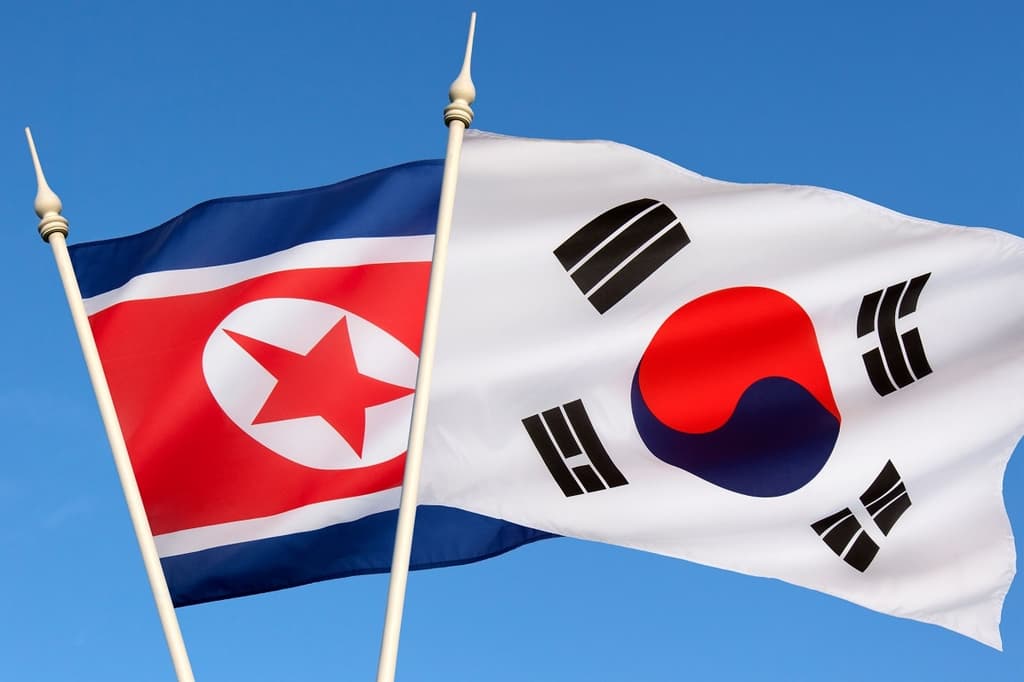
North Korea’s adoption of a “two hostile states” policy and explicit rejection of inter-Korean reconciliation continue to limit prospects for direct bilateral talks, as Pyongyang prioritizes recognition as a nuclear power and engagement primarily with Washington. South Korean President Lee Jae-myung’s administration has advanced conciliatory gestures, including multilateral proposals for four-party or expanded Northeast Asian dialogue mechanisms and revival of Tumen River economic projects, while referring to the North by its official title. These overtures have met frosty responses, with Pyongyang showing greater interest in potential U.S. summits under the Trump administration than in resuming South-North channels. Recent North Korean cooperation with Russia and China on military and economic matters further shifts focus northward, reducing incentives for Seoul-Pyongyang diplomacy absent shifts in U.S. policy or verifiable denuclearization steps. Upcoming U.S.-China or trilateral meetings could indirectly influence momentum, though structural barriers remain high.
Experimental AI-generated summary referencing Polymarket data. This is not trading advice and plays no role in how this market resolves. · UpdatedWill North and South Korea engage in direct talks by...?
Will North and South Korea engage in direct talks by...?
$108,274 Vol.
December 31
19%
$108,274 Vol.
December 31
19%
The talks may be in-person, by phone, or virtual, and must be publicly acknowledged by either government or reported by credible media.
Routine military deconfliction, backchannel exchanges, or talks conducted entirely through another country or organization will not count.
The resolutions source will be a consensus of credible reporting.
Market Opened: Jun 30, 2026, 8:08 PM ET
Resolver
0x65070BE91...The talks may be in-person, by phone, or virtual, and must be publicly acknowledged by either government or reported by credible media.
Routine military deconfliction, backchannel exchanges, or talks conducted entirely through another country or organization will not count.
The resolutions source will be a consensus of credible reporting.
Resolver
0x65070BE91...North Korea’s adoption of a “two hostile states” policy and explicit rejection of inter-Korean reconciliation continue to limit prospects for direct bilateral talks, as Pyongyang prioritizes recognition as a nuclear power and engagement primarily with Washington. South Korean President Lee Jae-myung’s administration has advanced conciliatory gestures, including multilateral proposals for four-party or expanded Northeast Asian dialogue mechanisms and revival of Tumen River economic projects, while referring to the North by its official title. These overtures have met frosty responses, with Pyongyang showing greater interest in potential U.S. summits under the Trump administration than in resuming South-North channels. Recent North Korean cooperation with Russia and China on military and economic matters further shifts focus northward, reducing incentives for Seoul-Pyongyang diplomacy absent shifts in U.S. policy or verifiable denuclearization steps. Upcoming U.S.-China or trilateral meetings could indirectly influence momentum, though structural barriers remain high.
Experimental AI-generated summary referencing Polymarket data. This is not trading advice and plays no role in how this market resolves. · Updated
Beware of external links.
Beware of external links.
Frequently Asked Questions