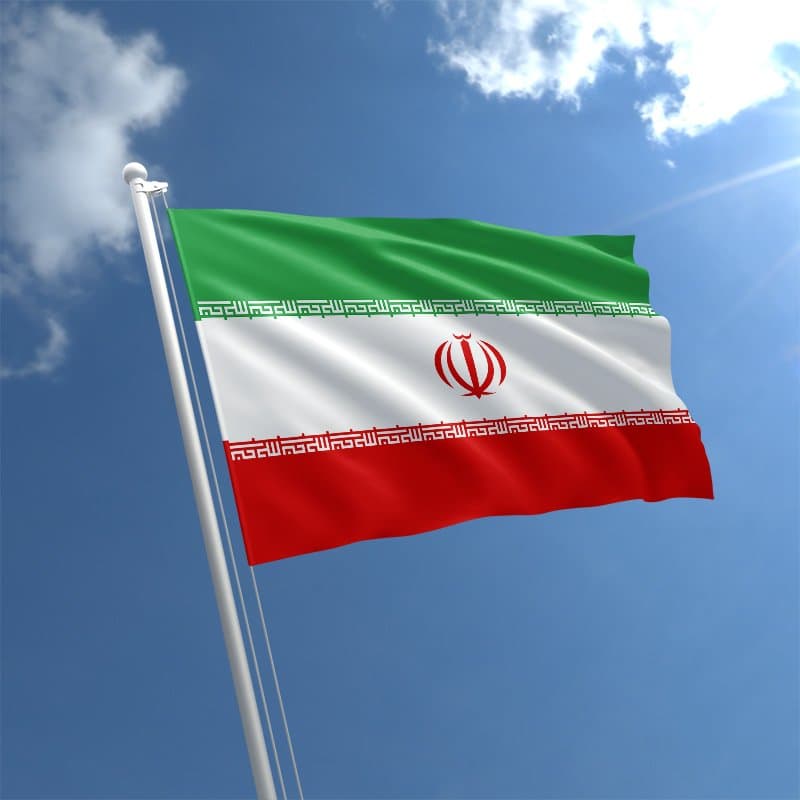
Iran's next presidential election follows the standard four-year cycle established after the 2024 snap vote that installed President Masoud Pezeshkian. With the term running through 2028, constitutional requirements and the Guardian Council's candidate vetting process align against any unscheduled poll before late 2026. Trader consensus reflects this timeline, assigning low probability to an early election absent a supreme leader directive or major domestic unrest forcing adjustments. The March 2026 Assembly of Experts selection of a new supreme leader altered broader power structures yet left the presidency on its existing schedule, with no subsequent procedural shifts or announced leadership transitions materializing in recent months. Key variables that could alter the outlook include regime responses to internal pressures or changes in candidate qualification rules, though none have emerged to date.
Experimental AI-generated summary referencing Polymarket data. This is not trading advice and plays no role in how this market resolves. · UpdatedWill Iran hold a presidential election by...?
Will Iran hold a presidential election by...?
$767,367 Vol.
December 31
6%
$767,367 Vol.
December 31
6%
This market will resolve immediately upon the official confirmation that voting in the presidential election has taken place.
Any announcement of an election date will not be sufficient for a positive resolution.
Allegations, criticisms, or disputes regarding the fairness, legitimacy, or conduct of the election, as well as any protests, annulments, investigations, or other subsequent events occurring after voting has taken place, will not be considered in determining this market’s resolution.
The primary resolution source for this market will be official information from the government of Iran; however, a consensus of credible reporting may also be used.
Market Opened: Jun 30, 2026, 7:27 PM ET
Resolver
0x65070BE91...This market will resolve immediately upon the official confirmation that voting in the presidential election has taken place.
Any announcement of an election date will not be sufficient for a positive resolution.
Allegations, criticisms, or disputes regarding the fairness, legitimacy, or conduct of the election, as well as any protests, annulments, investigations, or other subsequent events occurring after voting has taken place, will not be considered in determining this market’s resolution.
The primary resolution source for this market will be official information from the government of Iran; however, a consensus of credible reporting may also be used.
Resolver
0x65070BE91...Iran's next presidential election follows the standard four-year cycle established after the 2024 snap vote that installed President Masoud Pezeshkian. With the term running through 2028, constitutional requirements and the Guardian Council's candidate vetting process align against any unscheduled poll before late 2026. Trader consensus reflects this timeline, assigning low probability to an early election absent a supreme leader directive or major domestic unrest forcing adjustments. The March 2026 Assembly of Experts selection of a new supreme leader altered broader power structures yet left the presidency on its existing schedule, with no subsequent procedural shifts or announced leadership transitions materializing in recent months. Key variables that could alter the outlook include regime responses to internal pressures or changes in candidate qualification rules, though none have emerged to date.
Experimental AI-generated summary referencing Polymarket data. This is not trading advice and plays no role in how this market resolves. · Updated


Beware of external links.
Beware of external links.
Frequently Asked Questions