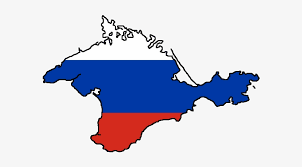
The high trader consensus against U.S. recognition of Russian sovereignty over Crimea before 2027 stems from sustained diplomatic resistance, Ukrainian constitutional objections, and the absence of any formal policy shift despite 2025 peace framework discussions. Proposals floated by the Trump administration for de facto or de jure acknowledgment as part of broader Ukraine-Russia negotiations faced immediate rejection from Kyiv and European partners, with no subsequent executive action or congressional support materializing. Ongoing hostilities, including Ukrainian strikes on occupied areas and Russian missile campaigns, have further entrenched positions without advancing territorial concessions. Legal constraints on altering sanctions regimes or diplomatic representations without legislative buy-in add structural barriers. Realistic variables that could still alter the trajectory include a rapid negotiated settlement in late 2026 or an unanticipated executive agreement, though both remain low-probability given current impasse dynamics.
Experimental AI-generated summary referencing Polymarket data. This is not trading advice and plays no role in how this market resolves. · Updated$73,831 Vol.
$73,831 Vol.
$73,831 Vol.
$73,831 Vol.
Donald Trump's March 25, 2019, recognition of Israel's sovereignty over the Golan Heights is an example of a qualifying action.
Statement of intents, or announcements of planned recognition will not qualify.
The resolution source for this market will be the U.S. Government, however a consensus of credible reporting may also be used.
Market Opened: Nov 5, 2025, 12:50 PM ET
Resolver
0x65070BE91...Donald Trump's March 25, 2019, recognition of Israel's sovereignty over the Golan Heights is an example of a qualifying action.
Statement of intents, or announcements of planned recognition will not qualify.
The resolution source for this market will be the U.S. Government, however a consensus of credible reporting may also be used.
Resolver
0x65070BE91...The high trader consensus against U.S. recognition of Russian sovereignty over Crimea before 2027 stems from sustained diplomatic resistance, Ukrainian constitutional objections, and the absence of any formal policy shift despite 2025 peace framework discussions. Proposals floated by the Trump administration for de facto or de jure acknowledgment as part of broader Ukraine-Russia negotiations faced immediate rejection from Kyiv and European partners, with no subsequent executive action or congressional support materializing. Ongoing hostilities, including Ukrainian strikes on occupied areas and Russian missile campaigns, have further entrenched positions without advancing territorial concessions. Legal constraints on altering sanctions regimes or diplomatic representations without legislative buy-in add structural barriers. Realistic variables that could still alter the trajectory include a rapid negotiated settlement in late 2026 or an unanticipated executive agreement, though both remain low-probability given current impasse dynamics.
Experimental AI-generated summary referencing Polymarket data. This is not trading advice and plays no role in how this market resolves. · Updated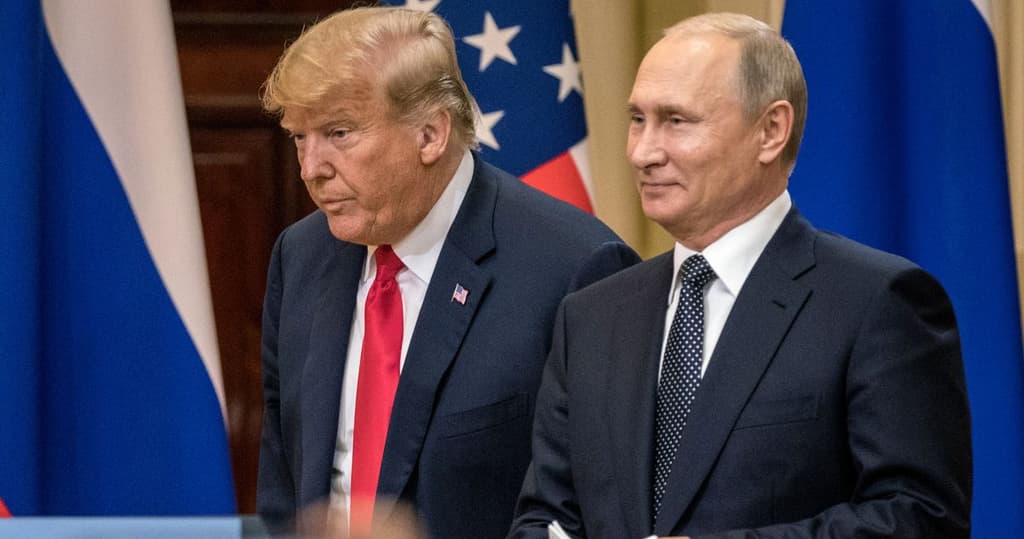

Beware of external links.
Beware of external links.
Frequently Asked Questions