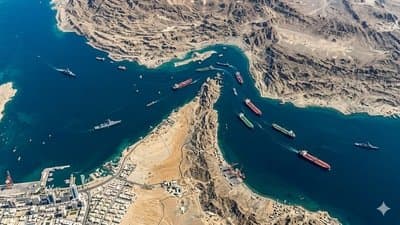
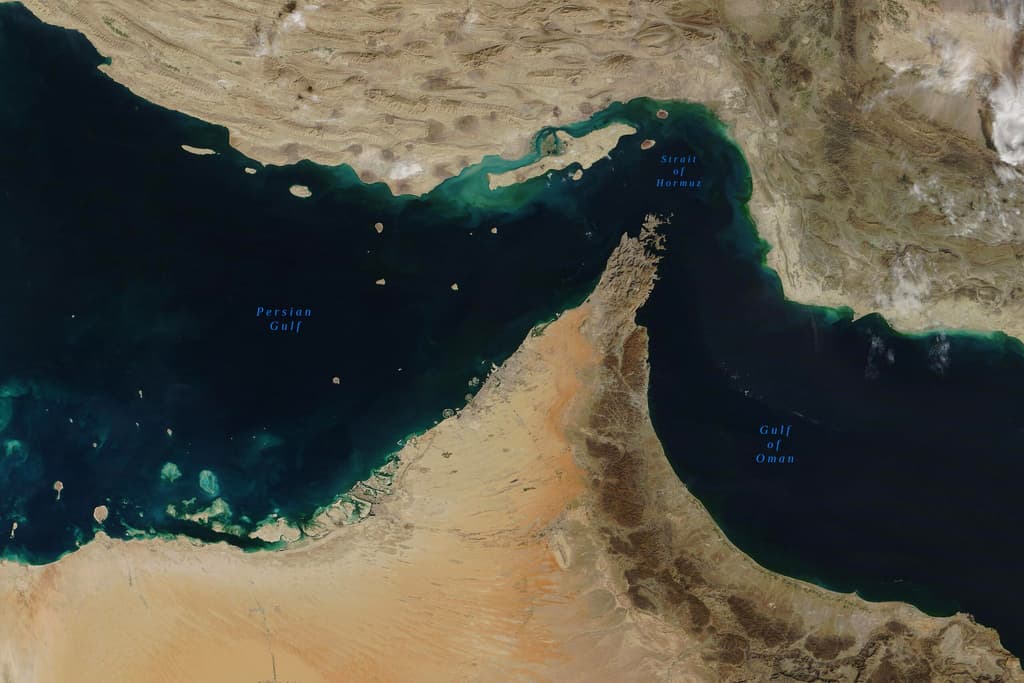
President Trump briefly proposed in mid-July 2026 that the United States would charge a 20 percent fee on cargo transiting the Strait of Hormuz in exchange for naval protection, only to reverse course the following day in favor of Gulf state investment commitments. The International Maritime Organization and U.S. officials have stated there is no legal basis for mandatory transit tolls, while U.S. sanctions on Iranian entities and insurance restrictions further complicate any fee collection. Iran and Oman have discussed separate service charges, but no U.S.-imposed fees have materialized. These factors, combined with the rapid policy reversal and ongoing diplomatic alternatives, underpin the low trader-implied probability that Washington will implement such charges by year-end.
Experimental AI-generated summary referencing Polymarket data. This is not trading advice and plays no role in how this market resolves. · UpdatedUS charges Hormuz fees by...?
US charges Hormuz fees by...?
$961,367 Vol.
August 31
1%
December 31
7%
$961,367 Vol.
August 31
1%
December 31
7%
Any payment amount or rate will count. Payments may be monetary or in-kind (e.g., a share of cargo or oil) and may be collected directly by the US government or by an agent, contractor, or intermediary collecting on its behalf, provided the payment is made under a US-imposed fee or a compensation arrangement.
The announcement, signing, or establishment of a fee program, executive order, regulation, or collection mechanism will not by itself qualify; at least one payment must actually be received by the listed date, 11:59 PM ET.
Payments collected by Iran or any other party acting on its own behalf will not count. Payments under preexisting obligations, including US customs duties, tariffs on goods imported into the United States, or standard port charges, will not count unless newly imposed as a condition of Strait of Hormuz transit or protection.
The resolution sources will be official announcements from the government of the United States and a consensus of credible reporting.
Market Opened: Jul 13, 2026, 12:00 PM ET
Resolver
0x65070BE91...Any payment amount or rate will count. Payments may be monetary or in-kind (e.g., a share of cargo or oil) and may be collected directly by the US government or by an agent, contractor, or intermediary collecting on its behalf, provided the payment is made under a US-imposed fee or a compensation arrangement.
The announcement, signing, or establishment of a fee program, executive order, regulation, or collection mechanism will not by itself qualify; at least one payment must actually be received by the listed date, 11:59 PM ET.
Payments collected by Iran or any other party acting on its own behalf will not count. Payments under preexisting obligations, including US customs duties, tariffs on goods imported into the United States, or standard port charges, will not count unless newly imposed as a condition of Strait of Hormuz transit or protection.
The resolution sources will be official announcements from the government of the United States and a consensus of credible reporting.
Resolver
0x65070BE91...President Trump briefly proposed in mid-July 2026 that the United States would charge a 20 percent fee on cargo transiting the Strait of Hormuz in exchange for naval protection, only to reverse course the following day in favor of Gulf state investment commitments. The International Maritime Organization and U.S. officials have stated there is no legal basis for mandatory transit tolls, while U.S. sanctions on Iranian entities and insurance restrictions further complicate any fee collection. Iran and Oman have discussed separate service charges, but no U.S.-imposed fees have materialized. These factors, combined with the rapid policy reversal and ongoing diplomatic alternatives, underpin the low trader-implied probability that Washington will implement such charges by year-end.
Experimental AI-generated summary referencing Polymarket data. This is not trading advice and plays no role in how this market resolves. · Updated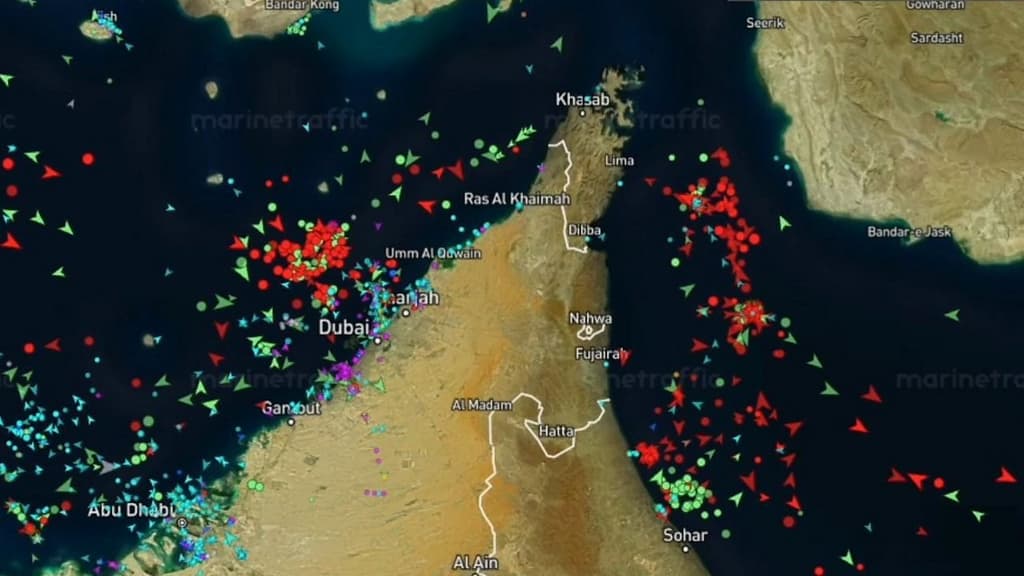
Beware of external links.
Beware of external links.
Frequently Asked Questions