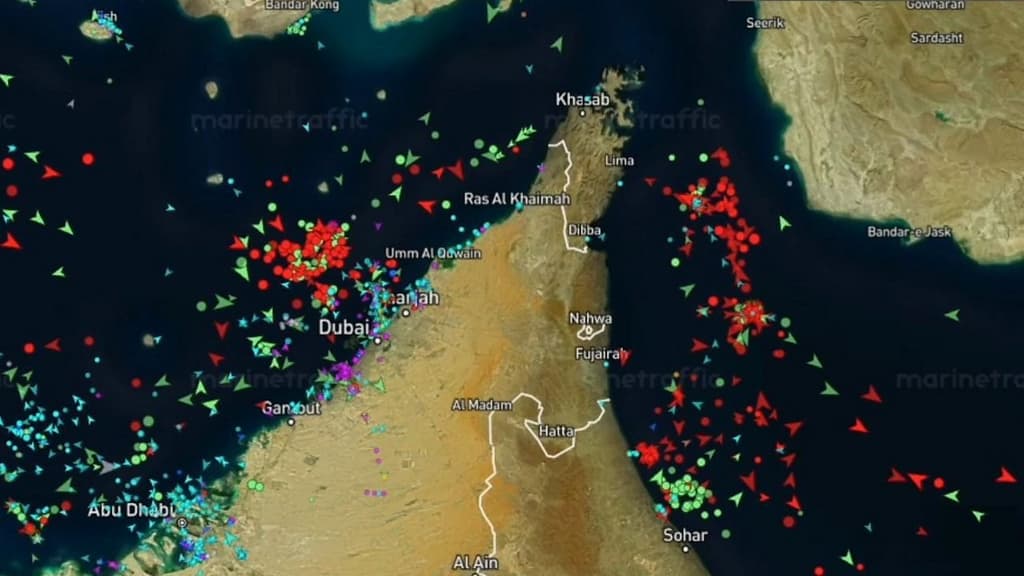
Ongoing US-Iran hostilities since February 2026, triggered by joint US-Israeli strikes on Iran, prompted Tehran to declare the Strait of Hormuz closed to commercial traffic and enforce restrictions through missile and drone threats, selective attacks, and demands that vessels route via Iranian waters. Multiple ceasefires and a June 17 memorandum of understanding produced only partial, short-lived reopenings, with traffic averaging well below pre-conflict levels of roughly 100 vessels daily; renewed strikes in July led the US to reimpose naval blockades. As of mid-August 2026, war-risk insurance and Iranian parliamentary proposals to ban US- and Israel-linked ships or impose tolls have kept most operators away, resulting in near-standstill conditions on many days. Negotiations via Oman and intermediaries continue, centered on sanctions relief, asset releases, and compensation, while periodic flare-ups remain possible amid unresolved demands.
Experimental AI-generated summary referencing Polymarket data. This is not trading advice and plays no role in how this market resolves. · Updated0 ships transit Hormuz on any date by..?
0 ships transit Hormuz on any date by..?
$728,399 Vol.
August 31
25%
$728,399 Vol.
August 31
25%
Transit calls include container, dry bulk, roll-on/roll-off, general cargo, and tanker ships. Ships not reported by IMF PortWatch will not be considered.
This market will resolve as soon as IMF PortWatch publishes a daily number of transit calls equal to 0, or once complete data has been published for the specified period without such a publication. If complete data for the specified period has not been published within 28 calendar days of the end of the specified period, this market will resolve based on data published up to that point.
In case of obvious data integrity issues (i.e., erroneous data), the market may remain open until the end of the third calendar day (ET) after the date on which such data is first released to allow for corrections. Data integrity issues refer only to clerical or other similar errors in the underlying data, and do not include cases where IMF PortWatch differs from alternative sources. Revisions to previously published data points made within this market’s timeframe will be considered. However, they will not disqualify a previously published data point from qualifying except in the case of data integrity issues.
The resolution source for this market will be IMF PortWatch, specifically the transit calls data published for the Strait of Hormuz at https://portwatch.imf.org/pages/cb5856222a5b4105adc6ee7e880a1730, both in the chart and through downloadable files.
Market Opened: Jul 29, 2026, 12:28 PM ET
Resolver
0x65070BE91...Transit calls include container, dry bulk, roll-on/roll-off, general cargo, and tanker ships. Ships not reported by IMF PortWatch will not be considered.
This market will resolve as soon as IMF PortWatch publishes a daily number of transit calls equal to 0, or once complete data has been published for the specified period without such a publication. If complete data for the specified period has not been published within 28 calendar days of the end of the specified period, this market will resolve based on data published up to that point.
In case of obvious data integrity issues (i.e., erroneous data), the market may remain open until the end of the third calendar day (ET) after the date on which such data is first released to allow for corrections. Data integrity issues refer only to clerical or other similar errors in the underlying data, and do not include cases where IMF PortWatch differs from alternative sources. Revisions to previously published data points made within this market’s timeframe will be considered. However, they will not disqualify a previously published data point from qualifying except in the case of data integrity issues.
The resolution source for this market will be IMF PortWatch, specifically the transit calls data published for the Strait of Hormuz at https://portwatch.imf.org/pages/cb5856222a5b4105adc6ee7e880a1730, both in the chart and through downloadable files.
Resolver
0x65070BE91...Ongoing US-Iran hostilities since February 2026, triggered by joint US-Israeli strikes on Iran, prompted Tehran to declare the Strait of Hormuz closed to commercial traffic and enforce restrictions through missile and drone threats, selective attacks, and demands that vessels route via Iranian waters. Multiple ceasefires and a June 17 memorandum of understanding produced only partial, short-lived reopenings, with traffic averaging well below pre-conflict levels of roughly 100 vessels daily; renewed strikes in July led the US to reimpose naval blockades. As of mid-August 2026, war-risk insurance and Iranian parliamentary proposals to ban US- and Israel-linked ships or impose tolls have kept most operators away, resulting in near-standstill conditions on many days. Negotiations via Oman and intermediaries continue, centered on sanctions relief, asset releases, and compensation, while periodic flare-ups remain possible amid unresolved demands.
Experimental AI-generated summary referencing Polymarket data. This is not trading advice and plays no role in how this market resolves. · Updated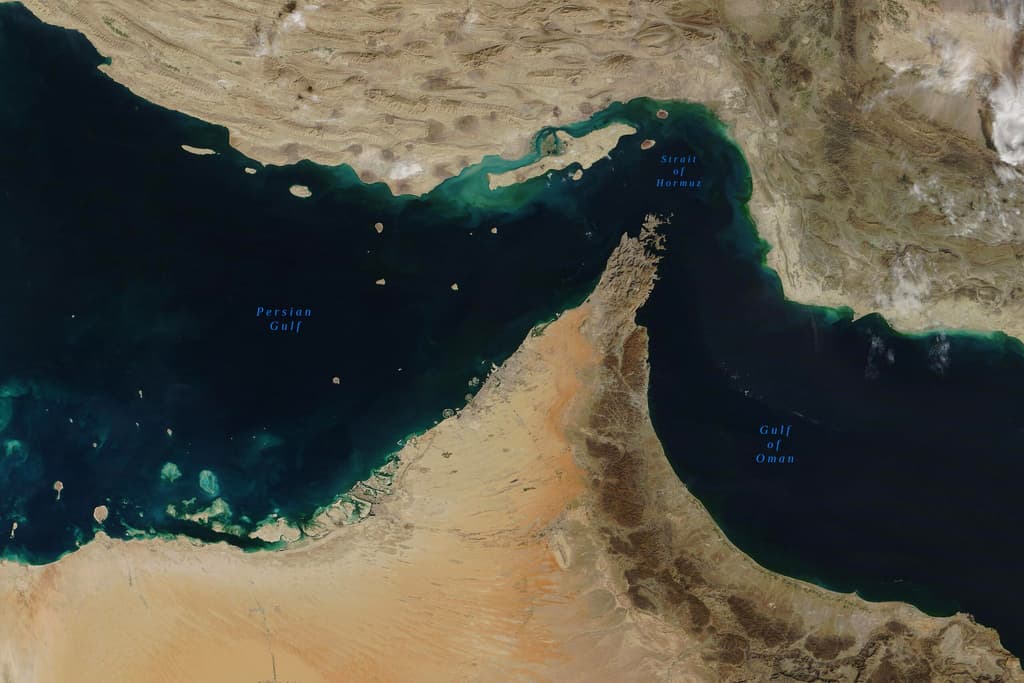
Beware of external links.
Beware of external links.
Frequently Asked Questions