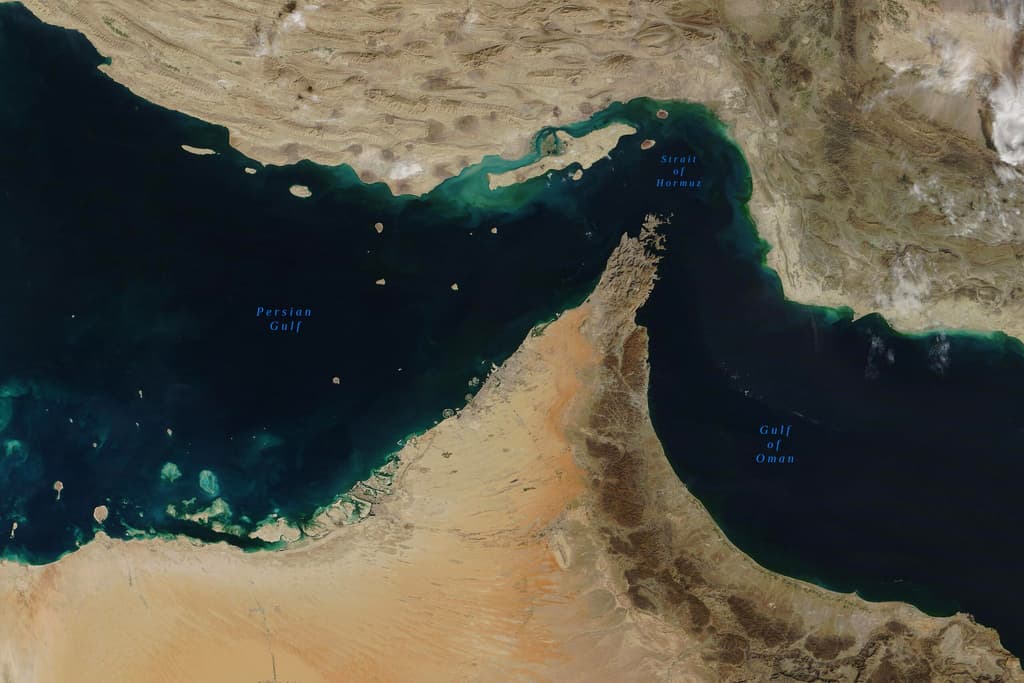
Ongoing US-Iran tensions and enforcement of the naval blockade remain the dominant driver of trader sentiment for Strait of Hormuz transits in the week of August 17. Recent attacks on commercial vessels, including two UAE-flagged ships on August 14, have kept daily crossings at single-digit to low-teen levels—well below the pre-conflict average of roughly 60—while elevated war-risk insurance premiums and rerouting incentives continue to suppress volumes. These conditions align with market-implied odds favoring 25-49 ships (54.5%) and sub-25 (30.0%), reflecting the cumulative impact of Iranian restrictions, US interdictions, and persistent security risks that have held August averages near 12 transits per day.
Experimental AI-generated summary referencing Polymarket data. This is not trading advice and plays no role in how this market resolves. · UpdatedHow many ships transit the Strait of Hormuz week of August 17?
How many ships transit the Strait of Hormuz week of August 17?
25-49 65%
<25 28%
50-74 27%
100+ 10%
NEW
NEW
Aug 23, 2026
<25
28%
25-49
65%
50-74
27%
75-99
11%
100+
10%
25-49 65%
<25 28%
50-74 27%
100+ 10%
NEW
NEW
Aug 23, 2026
<25
$367 Vol.
28%
25-49
$332 Vol.
65%
50-74
$65 Vol.
27%
75-99
$65 Vol.
11%
100+
$45 Vol.
10%
This market will resolve according to the total number of transit calls that IMF Portwatch reports for the Strait of Hormuz for all days from August 17, 2026, through August 23, 2026, inclusive.
Transit calls include container, dry bulk, roll-on/roll-off, general cargo, and tanker ships. Ships not reported by IMF Portwatch will not be considered.
This market will resolve as soon as all relevant data has been published. If the relevant data is not published within 14 calendar days of the specified date, this market will resolve based on the most recent data published up to that point.
In case of obvious data integrity issues (i.e., erroneous data), the market may remain open until the end of the third calendar day (ET) after the date on which such data is first released to allow for corrections. Data integrity issues refer only to clerical or other similar errors in the underlying data, and do not include cases where IMF Portwatch differs from alternative sources.
Only revisions to previously published data points made before all relevant data has been published will be considered.
The resolution source for this market will be IMF Portwatch, specifically the transit calls data published for the Strait of Hormuz at https://portwatch.imf.org/pages/cb5856222a5b4105adc6ee7e880a1730, both in the chart and through downloadable files.Ongoing US-Iran tensions and enforcement of the naval blockade remain the dominant driver of trader sentiment for Strait of Hormuz transits in the week of August 17. Recent attacks on commercial vessels, including two UAE-flagged ships on August 14, have kept daily crossings at single-digit to low-teen levels—well below the pre-conflict average of roughly 60—while elevated war-risk insurance premiums and rerouting incentives continue to suppress volumes. These conditions align with market-implied odds favoring 25-49 ships (54.5%) and sub-25 (30.0%), reflecting the cumulative impact of Iranian restrictions, US interdictions, and persistent security risks that have held August averages near 12 transits per day.
This market will resolve according to the total number of transit calls that IMF Portwatch reports for the Strait of Hormuz for all days from August 17, 2026, through August 23, 2026, inclusive.
Transit calls include container, dry bulk, roll-on/roll-off, general cargo, and tanker ships. Ships not reported by IMF Portwatch will not be considered.
This market will resolve as soon as all relevant data has been published. If the relevant data is not published within 14 calendar days of the specified date, this market will resolve based on the most recent data published up to that point.
In case of obvious data integrity issues (i.e., erroneous data), the market may remain open until the end of the third calendar day (ET) after the date on which such data is first released to allow for corrections. Data integrity issues refer only to clerical or other similar errors in the underlying data, and do not include cases where IMF Portwatch differs from alternative sources.
Only revisions to previously published data points made before all relevant data has been published will be considered.
The resolution source for this market will be IMF Portwatch, specifically the transit calls data published for the Strait of Hormuz at https://portwatch.imf.org/pages/cb5856222a5b4105adc6ee7e880a1730, both in the chart and through downloadable files.
Transit calls include container, dry bulk, roll-on/roll-off, general cargo, and tanker ships. Ships not reported by IMF Portwatch will not be considered.
This market will resolve as soon as all relevant data has been published. If the relevant data is not published within 14 calendar days of the specified date, this market will resolve based on the most recent data published up to that point.
In case of obvious data integrity issues (i.e., erroneous data), the market may remain open until the end of the third calendar day (ET) after the date on which such data is first released to allow for corrections. Data integrity issues refer only to clerical or other similar errors in the underlying data, and do not include cases where IMF Portwatch differs from alternative sources.
Only revisions to previously published data points made before all relevant data has been published will be considered.
The resolution source for this market will be IMF Portwatch, specifically the transit calls data published for the Strait of Hormuz at https://portwatch.imf.org/pages/cb5856222a5b4105adc6ee7e880a1730, both in the chart and through downloadable files.
Market Opened: Aug 14, 2026, 4:50 PM ET
Volume
$874End Date
Aug 23, 2026Market Opened
Aug 14, 2026, 4:50 PM ETResolver
0x69c47De9D...This market will resolve according to the total number of transit calls that IMF Portwatch reports for the Strait of Hormuz for all days from August 17, 2026, through August 23, 2026, inclusive.
Transit calls include container, dry bulk, roll-on/roll-off, general cargo, and tanker ships. Ships not reported by IMF Portwatch will not be considered.
This market will resolve as soon as all relevant data has been published. If the relevant data is not published within 14 calendar days of the specified date, this market will resolve based on the most recent data published up to that point.
In case of obvious data integrity issues (i.e., erroneous data), the market may remain open until the end of the third calendar day (ET) after the date on which such data is first released to allow for corrections. Data integrity issues refer only to clerical or other similar errors in the underlying data, and do not include cases where IMF Portwatch differs from alternative sources.
Only revisions to previously published data points made before all relevant data has been published will be considered.
The resolution source for this market will be IMF Portwatch, specifically the transit calls data published for the Strait of Hormuz at https://portwatch.imf.org/pages/cb5856222a5b4105adc6ee7e880a1730, both in the chart and through downloadable files.Ongoing US-Iran tensions and enforcement of the naval blockade remain the dominant driver of trader sentiment for Strait of Hormuz transits in the week of August 17. Recent attacks on commercial vessels, including two UAE-flagged ships on August 14, have kept daily crossings at single-digit to low-teen levels—well below the pre-conflict average of roughly 60—while elevated war-risk insurance premiums and rerouting incentives continue to suppress volumes. These conditions align with market-implied odds favoring 25-49 ships (54.5%) and sub-25 (30.0%), reflecting the cumulative impact of Iranian restrictions, US interdictions, and persistent security risks that have held August averages near 12 transits per day.
This market will resolve according to the total number of transit calls that IMF Portwatch reports for the Strait of Hormuz for all days from August 17, 2026, through August 23, 2026, inclusive.
Transit calls include container, dry bulk, roll-on/roll-off, general cargo, and tanker ships. Ships not reported by IMF Portwatch will not be considered.
This market will resolve as soon as all relevant data has been published. If the relevant data is not published within 14 calendar days of the specified date, this market will resolve based on the most recent data published up to that point.
In case of obvious data integrity issues (i.e., erroneous data), the market may remain open until the end of the third calendar day (ET) after the date on which such data is first released to allow for corrections. Data integrity issues refer only to clerical or other similar errors in the underlying data, and do not include cases where IMF Portwatch differs from alternative sources.
Only revisions to previously published data points made before all relevant data has been published will be considered.
The resolution source for this market will be IMF Portwatch, specifically the transit calls data published for the Strait of Hormuz at https://portwatch.imf.org/pages/cb5856222a5b4105adc6ee7e880a1730, both in the chart and through downloadable files.
Transit calls include container, dry bulk, roll-on/roll-off, general cargo, and tanker ships. Ships not reported by IMF Portwatch will not be considered.
This market will resolve as soon as all relevant data has been published. If the relevant data is not published within 14 calendar days of the specified date, this market will resolve based on the most recent data published up to that point.
In case of obvious data integrity issues (i.e., erroneous data), the market may remain open until the end of the third calendar day (ET) after the date on which such data is first released to allow for corrections. Data integrity issues refer only to clerical or other similar errors in the underlying data, and do not include cases where IMF Portwatch differs from alternative sources.
Only revisions to previously published data points made before all relevant data has been published will be considered.
The resolution source for this market will be IMF Portwatch, specifically the transit calls data published for the Strait of Hormuz at https://portwatch.imf.org/pages/cb5856222a5b4105adc6ee7e880a1730, both in the chart and through downloadable files.
Volume
$874End Date
Aug 23, 2026Market Opened
Aug 14, 2026, 4:50 PM ETResolver
0x69c47De9D...Ongoing US-Iran tensions and enforcement of the naval blockade remain the dominant driver of trader sentiment for Strait of Hormuz transits in the week of August 17. Recent attacks on commercial vessels, including two UAE-flagged ships on August 14, have kept daily crossings at single-digit to low-teen levels—well below the pre-conflict average of roughly 60—while elevated war-risk insurance premiums and rerouting incentives continue to suppress volumes. These conditions align with market-implied odds favoring 25-49 ships (54.5%) and sub-25 (30.0%), reflecting the cumulative impact of Iranian restrictions, US interdictions, and persistent security risks that have held August averages near 12 transits per day.
Experimental AI-generated summary referencing Polymarket data. This is not trading advice and plays no role in how this market resolves. · Updated
Beware of external links.
Beware of external links.
Frequently Asked Questions