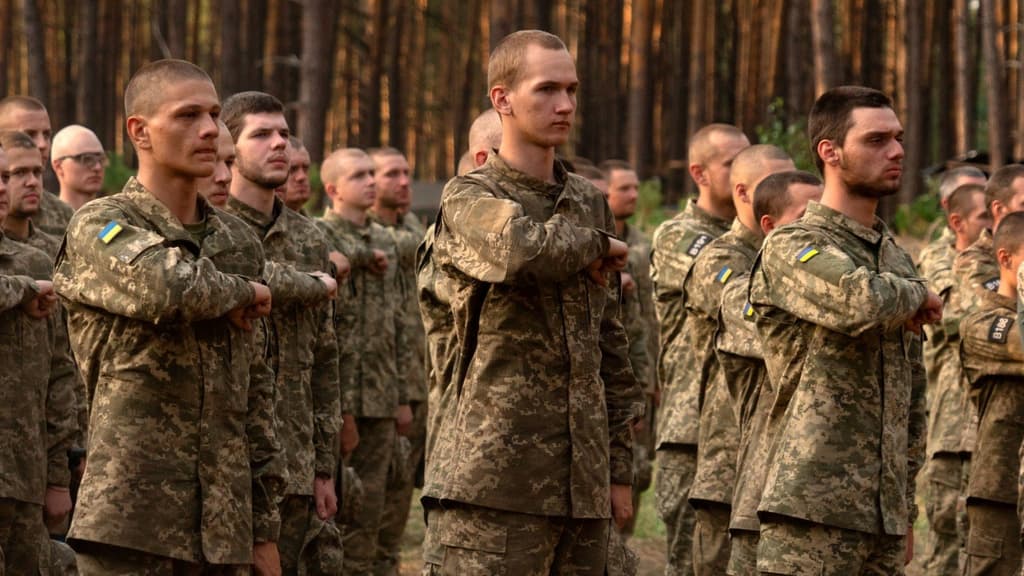
Ukraine has consistently rejected binding caps on its armed forces personnel in peace negotiations, with no formal public pledge or agreement reached despite 2025 discussions of potential peacetime limits around 600,000–800,000 troops under U.S.-brokered proposals. Late-2025 talks stalled without resolution, and subsequent negotiations have remained frozen amid ongoing Russian advances and Moscow’s demands for deeper reductions incompatible with Kyiv’s defense posture. Ukrainian officials have instead prioritized military reforms, including new fixed-term contracts, retention incentives, expanded recruitment, and sustained NATO interoperability support through 2026. These factors, combined with the absence of any qualifying commitment by mid-2026, have anchored trader consensus on a high probability against an agreement before the December 31, 2026, resolution deadline.
Experimental AI-generated summary referencing Polymarket data. This is not trading advice and plays no role in how this market resolves. · Updated$111,870 Vol.
$111,870 Vol.
$111,870 Vol.
$111,870 Vol.
An official pledge by Ukraine to limit the number of personnel in its armed forces will qualify for a “Yes” resolution whether as a unilateral announcement or part of an agreement with the Russian Federation.
A qualifying agreement must include a commitment by Ukraine to limit the total number of personnel in its armed forces. This includes any specific numerical cap on the number of personnel Ukraine may have in its armed forces, or any proportional limit on Ukrainian armed forces personnel (e.g., a commitment to reduce the size of the armed forces by a percentage of its current size). Limits on the number of personnel in specific branches of the Ukrainian armed forces will not count.
Other limits on Ukrainian military powers, such as the relinquishment of long-range weapons or limits on other categories of armaments or military capabilities, that do not constrain the total number of personnel in Ukraine’s armed forces, will not qualify.
An agreement by Ukraine to limit the number of personnel in its armed forces as a precondition of a more comprehensive peace process or deal will qualify, even if the agreement is not yet finalized or part of a formalized peace deal. The September 8, 1995 “Agreed Basic Principles” between Bosnia and Yugoslavia which recognized the borders and sovereignty of Bosnia and Herzegovina, and was later formalized through the Dayton Peace Agreement is an example of a qualifying agreement.
Any agreement or pledge made before the resolution date of this market will qualify, regardless of if/when the agreement goes into effect.
The primary resolution source for this market will be an official announcement by Ukraine; however, an overwhelming consensus of credible reporting confirming a qualifying agreement has been made will also qualify.
Market Opened: Nov 20, 2025, 6:10 PM ET
Resolver
0x65070BE91...An official pledge by Ukraine to limit the number of personnel in its armed forces will qualify for a “Yes” resolution whether as a unilateral announcement or part of an agreement with the Russian Federation.
A qualifying agreement must include a commitment by Ukraine to limit the total number of personnel in its armed forces. This includes any specific numerical cap on the number of personnel Ukraine may have in its armed forces, or any proportional limit on Ukrainian armed forces personnel (e.g., a commitment to reduce the size of the armed forces by a percentage of its current size). Limits on the number of personnel in specific branches of the Ukrainian armed forces will not count.
Other limits on Ukrainian military powers, such as the relinquishment of long-range weapons or limits on other categories of armaments or military capabilities, that do not constrain the total number of personnel in Ukraine’s armed forces, will not qualify.
An agreement by Ukraine to limit the number of personnel in its armed forces as a precondition of a more comprehensive peace process or deal will qualify, even if the agreement is not yet finalized or part of a formalized peace deal. The September 8, 1995 “Agreed Basic Principles” between Bosnia and Yugoslavia which recognized the borders and sovereignty of Bosnia and Herzegovina, and was later formalized through the Dayton Peace Agreement is an example of a qualifying agreement.
Any agreement or pledge made before the resolution date of this market will qualify, regardless of if/when the agreement goes into effect.
The primary resolution source for this market will be an official announcement by Ukraine; however, an overwhelming consensus of credible reporting confirming a qualifying agreement has been made will also qualify.
Resolver
0x65070BE91...Ukraine has consistently rejected binding caps on its armed forces personnel in peace negotiations, with no formal public pledge or agreement reached despite 2025 discussions of potential peacetime limits around 600,000–800,000 troops under U.S.-brokered proposals. Late-2025 talks stalled without resolution, and subsequent negotiations have remained frozen amid ongoing Russian advances and Moscow’s demands for deeper reductions incompatible with Kyiv’s defense posture. Ukrainian officials have instead prioritized military reforms, including new fixed-term contracts, retention incentives, expanded recruitment, and sustained NATO interoperability support through 2026. These factors, combined with the absence of any qualifying commitment by mid-2026, have anchored trader consensus on a high probability against an agreement before the December 31, 2026, resolution deadline.
Experimental AI-generated summary referencing Polymarket data. This is not trading advice and plays no role in how this market resolves. · Updated
Beware of external links.
Beware of external links.
Frequently Asked Questions