icon for What will the NYT front-page headlines say this week? (August 24 - August 30)

What will the NYT front-page headlines say this week? (August 24 - August 30)

icon for What will the NYT front-page headlines say this week? (August 24 - August 30)

What will the NYT front-page headlines say this week? (August 24 - August 30)

$11,425 Vol.

Aug 30, 2026
Polymarket

$11,425 Vol.

Polymarket

Earthquake / Quake

$1,618 Vol.

27%

Party

$706 Vol.

50%

Hot / Heat

$933 Vol.

27%

Spain

$782 Vol.

26%

Gold

$140 Vol.

49%

Woman

$645 Vol.

14%

Japan

$2,473 Vol.

23%

This market will resolve to “Yes” if the listed term is included in a headline on the New York Times front page between August 24 and August 30, 2026. Otherwise, this market will resolve to “No”. A headline is defined as the bolded or enlarged text directly preceding each article, previewing the article’s content and typically separated from the article’s text by a black line and byline. The primary headline for each story is the headline for that story with the largest text, typically appearing in bold font and above any other headlines or text for that article. Sub-headlines, defined as additional bolded or enlarged text not separated from the primary headline by any text, will count, whether they appear before the byline or are partially surrounded by the article text but still adjacent to the primary headline. Pull quotes, however, or any bolded text not adjacent to the primary headline, will not count. Banner headlines, defined as front-page headlines bordered on the sides only by white space, will count. Image captions, article text, or any other text that does not constitute a headline, will not qualify. Any plural or possessive forms of a listed term, as well as variations in capitalization, will count toward the resolution of this market, regardless of context. Other forms of the listed term will not count. Misspellings or iterations of the listed term, including all slang forms, will not count toward a “Yes” resolution, regardless of context or intent. If the listed term appears as part of a compound word, usage of that compound word qualifies, provided the listed term remains a distinct component of the compound. This does not include suffixes, prefixes, alternative tenses, or grammatical variations that alter the root word. (E.g. if the listed term is joy, killjoy qualifies but joyful does not. E.g. if the listed term is sun, sunflower qualifies but sunny does not.) If the listed term is part of a hyphenated compound, use of that hyphenated compound will qualify. For example, if the listed term is “NATO,” “pro-NATO” and “anti-NATO” qualify. If the listed term has non-standard transliterations into English, such transliterations will qualify if they are phonetically equivalent. For example, if the listed term is “Erdogan,” “Erdoğan” qualifies. If the listed term is “Zelensky,” “Zelenskiy” qualifies. If the listed term is an abbreviation, periodized forms of that abbreviation will qualify. For example, if the listed term is “AI,” “A.I.” qualifies. However, extraneous symbols inserted into a word (e.g. r@d1cal for “radical”) will disqualify it from counting toward a “Yes” resolution. This market only pertains to the daily New York edition prints of the New York Times, also available at https://nytimes.pressreader.com/the-new-york-times/. Only the first official release of a qualifying front page will be counted. Any subsequent releases that differ from the initial release will not be considered. Other editions will not be considered. You can find an example of what counts here: https://polymarket-upload.s3.us-east-2.amazonaws.com/nyt-headlines.jpeg.U.S. economic pressure on Iran, including new sanctions and warnings to Gulf states, has anchored much of the week’s front-page coverage as the six-month mark of the conflict passes with unclear U.S. goals. Escalating tariffs and retaliatory measures in the U.S.-Canada trade dispute added immediate domestic economic angles, while flash floods killing hundreds along the Nepal-China border and mosquito-borne disease outbreaks supplied major international and health stories. Legal developments around 9/11 trials, data-center backlash entering midterms, and the Iceland EU referendum vote further shaped narrative momentum. These verifiable geopolitical, economic, and disaster developments created the strongest trader consensus around sustained foreign-policy and trade headlines rather than isolated entertainment or domestic cultural beats.

This market will resolve to “Yes” if the listed term is included in a headline on the New York Times front page between August 24 and August 30, 2026. Otherwise, this market will resolve to “No”.

A headline is defined as the bolded or enlarged text directly preceding each article, previewing the article’s content and typically separated from the article’s text by a black line and byline. The primary headline for each story is the headline for that story with the largest text, typically appearing in bold font and above any other headlines or text for that article.

Sub-headlines, defined as additional bolded or enlarged text not separated from the primary headline by any text, will count, whether they appear before the byline or are partially surrounded by the article text but still adjacent to the primary headline. Pull quotes, however, or any bolded text not adjacent to the primary headline, will not count.

Banner headlines, defined as front-page headlines bordered on the sides only by white space, will count.

Image captions, article text, or any other text that does not constitute a headline, will not qualify.

Any plural or possessive forms of a listed term, as well as variations in capitalization, will count toward the resolution of this market, regardless of context. Other forms of the listed term will not count.

Misspellings or iterations of the listed term, including all slang forms, will not count toward a “Yes” resolution, regardless of context or intent.

If the listed term appears as part of a compound word, usage of that compound word qualifies, provided the listed term remains a distinct component of the compound. This does not include suffixes, prefixes, alternative tenses, or grammatical variations that alter the root word. (E.g. if the listed term is joy, killjoy qualifies but joyful does not. E.g. if the listed term is sun, sunflower qualifies but sunny does not.)

If the listed term is part of a hyphenated compound, use of that hyphenated compound will qualify. For example, if the listed term is “NATO,” “pro-NATO” and “anti-NATO” qualify.

If the listed term has non-standard transliterations into English, such transliterations will qualify if they are phonetically equivalent. For example, if the listed term is “Erdogan,” “Erdoğan” qualifies. If the listed term is “Zelensky,” “Zelenskiy” qualifies.

If the listed term is an abbreviation, periodized forms of that abbreviation will qualify. For example, if the listed term is “AI,” “A.I.” qualifies. However, extraneous symbols inserted into a word (e.g. r@d1cal for “radical”) will disqualify it from counting toward a “Yes” resolution.

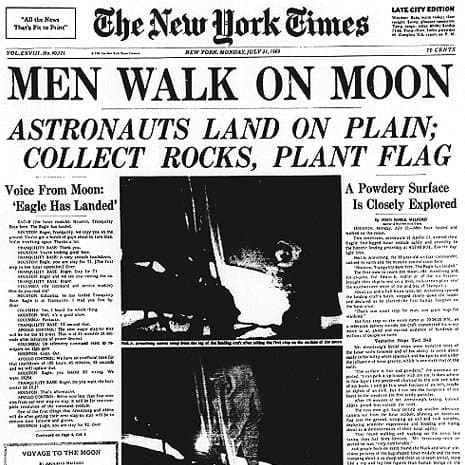
This market only pertains to the daily New York edition prints of the New York Times, also available at https://nytimes.pressreader.com/the-new-york-times/. Only the first official release of a qualifying front page will be counted. Any subsequent releases that differ from the initial release will not be considered. Other editions will not be considered. You can find an example of what counts here: https://polymarket-upload.s3.us-east-2.amazonaws.com/nyt-headlines.jpeg.
Volume
$11,425
End Date
Aug 30, 2026
Market Opened
Aug 21, 2026, 5:42 PM ET
This market will resolve to “Yes” if the listed term is included in a headline on the New York Times front page between August 24 and August 30, 2026. Otherwise, this market will resolve to “No”. A headline is defined as the bolded or enlarged text directly preceding each article, previewing the article’s content and typically separated from the article’s text by a black line and byline. The primary headline for each story is the headline for that story with the largest text, typically appearing in bold font and above any other headlines or text for that article. Sub-headlines, defined as additional bolded or enlarged text not separated from the primary headline by any text, will count, whether they appear before the byline or are partially surrounded by the article text but still adjacent to the primary headline. Pull quotes, however, or any bolded text not adjacent to the primary headline, will not count. Banner headlines, defined as front-page headlines bordered on the sides only by white space, will count. Image captions, article text, or any other text that does not constitute a headline, will not qualify. Any plural or possessive forms of a listed term, as well as variations in capitalization, will count toward the resolution of this market, regardless of context. Other forms of the listed term will not count. Misspellings or iterations of the listed term, including all slang forms, will not count toward a “Yes” resolution, regardless of context or intent. If the listed term appears as part of a compound word, usage of that compound word qualifies, provided the listed term remains a distinct component of the compound. This does not include suffixes, prefixes, alternative tenses, or grammatical variations that alter the root word. (E.g. if the listed term is joy, killjoy qualifies but joyful does not. E.g. if the listed term is sun, sunflower qualifies but sunny does not.) If the listed term is part of a hyphenated compound, use of that hyphenated compound will qualify. For example, if the listed term is “NATO,” “pro-NATO” and “anti-NATO” qualify. If the listed term has non-standard transliterations into English, such transliterations will qualify if they are phonetically equivalent. For example, if the listed term is “Erdogan,” “Erdoğan” qualifies. If the listed term is “Zelensky,” “Zelenskiy” qualifies. If the listed term is an abbreviation, periodized forms of that abbreviation will qualify. For example, if the listed term is “AI,” “A.I.” qualifies. However, extraneous symbols inserted into a word (e.g. r@d1cal for “radical”) will disqualify it from counting toward a “Yes” resolution. This market only pertains to the daily New York edition prints of the New York Times, also available at https://nytimes.pressreader.com/the-new-york-times/. Only the first official release of a qualifying front page will be counted. Any subsequent releases that differ from the initial release will not be considered. Other editions will not be considered. You can find an example of what counts here: https://polymarket-upload.s3.us-east-2.amazonaws.com/nyt-headlines.jpeg.
This market will resolve to “Yes” if the listed term is included in a headline on the New York Times front page between August 24 and August 30, 2026. Otherwise, this market will resolve to “No”. A headline is defined as the bolded or enlarged text directly preceding each article, previewing the article’s content and typically separated from the article’s text by a black line and byline. The primary headline for each story is the headline for that story with the largest text, typically appearing in bold font and above any other headlines or text for that article. Sub-headlines, defined as additional bolded or enlarged text not separated from the primary headline by any text, will count, whether they appear before the byline or are partially surrounded by the article text but still adjacent to the primary headline. Pull quotes, however, or any bolded text not adjacent to the primary headline, will not count. Banner headlines, defined as front-page headlines bordered on the sides only by white space, will count. Image captions, article text, or any other text that does not constitute a headline, will not qualify. Any plural or possessive forms of a listed term, as well as variations in capitalization, will count toward the resolution of this market, regardless of context. Other forms of the listed term will not count. Misspellings or iterations of the listed term, including all slang forms, will not count toward a “Yes” resolution, regardless of context or intent. If the listed term appears as part of a compound word, usage of that compound word qualifies, provided the listed term remains a distinct component of the compound. This does not include suffixes, prefixes, alternative tenses, or grammatical variations that alter the root word. (E.g. if the listed term is joy, killjoy qualifies but joyful does not. E.g. if the listed term is sun, sunflower qualifies but sunny does not.) If the listed term is part of a hyphenated compound, use of that hyphenated compound will qualify. For example, if the listed term is “NATO,” “pro-NATO” and “anti-NATO” qualify. If the listed term has non-standard transliterations into English, such transliterations will qualify if they are phonetically equivalent. For example, if the listed term is “Erdogan,” “Erdoğan” qualifies. If the listed term is “Zelensky,” “Zelenskiy” qualifies. If the listed term is an abbreviation, periodized forms of that abbreviation will qualify. For example, if the listed term is “AI,” “A.I.” qualifies. However, extraneous symbols inserted into a word (e.g. r@d1cal for “radical”) will disqualify it from counting toward a “Yes” resolution. This market only pertains to the daily New York edition prints of the New York Times, also available at https://nytimes.pressreader.com/the-new-york-times/. Only the first official release of a qualifying front page will be counted. Any subsequent releases that differ from the initial release will not be considered. Other editions will not be considered. You can find an example of what counts here: https://polymarket-upload.s3.us-east-2.amazonaws.com/nyt-headlines.jpeg.U.S. economic pressure on Iran, including new sanctions and warnings to Gulf states, has anchored much of the week’s front-page coverage as the six-month mark of the conflict passes with unclear U.S. goals. Escalating tariffs and retaliatory measures in the U.S.-Canada trade dispute added immediate domestic economic angles, while flash floods killing hundreds along the Nepal-China border and mosquito-borne disease outbreaks supplied major international and health stories. Legal developments around 9/11 trials, data-center backlash entering midterms, and the Iceland EU referendum vote further shaped narrative momentum. These verifiable geopolitical, economic, and disaster developments created the strongest trader consensus around sustained foreign-policy and trade headlines rather than isolated entertainment or domestic cultural beats.

This market will resolve to “Yes” if the listed term is included in a headline on the New York Times front page between August 24 and August 30, 2026. Otherwise, this market will resolve to “No”.

A headline is defined as the bolded or enlarged text directly preceding each article, previewing the article’s content and typically separated from the article’s text by a black line and byline. The primary headline for each story is the headline for that story with the largest text, typically appearing in bold font and above any other headlines or text for that article.

Sub-headlines, defined as additional bolded or enlarged text not separated from the primary headline by any text, will count, whether they appear before the byline or are partially surrounded by the article text but still adjacent to the primary headline. Pull quotes, however, or any bolded text not adjacent to the primary headline, will not count.

Banner headlines, defined as front-page headlines bordered on the sides only by white space, will count.

Image captions, article text, or any other text that does not constitute a headline, will not qualify.

Any plural or possessive forms of a listed term, as well as variations in capitalization, will count toward the resolution of this market, regardless of context. Other forms of the listed term will not count.

Misspellings or iterations of the listed term, including all slang forms, will not count toward a “Yes” resolution, regardless of context or intent.

If the listed term appears as part of a compound word, usage of that compound word qualifies, provided the listed term remains a distinct component of the compound. This does not include suffixes, prefixes, alternative tenses, or grammatical variations that alter the root word. (E.g. if the listed term is joy, killjoy qualifies but joyful does not. E.g. if the listed term is sun, sunflower qualifies but sunny does not.)

If the listed term is part of a hyphenated compound, use of that hyphenated compound will qualify. For example, if the listed term is “NATO,” “pro-NATO” and “anti-NATO” qualify.

If the listed term has non-standard transliterations into English, such transliterations will qualify if they are phonetically equivalent. For example, if the listed term is “Erdogan,” “Erdoğan” qualifies. If the listed term is “Zelensky,” “Zelenskiy” qualifies.

If the listed term is an abbreviation, periodized forms of that abbreviation will qualify. For example, if the listed term is “AI,” “A.I.” qualifies. However, extraneous symbols inserted into a word (e.g. r@d1cal for “radical”) will disqualify it from counting toward a “Yes” resolution.

This market only pertains to the daily New York edition prints of the New York Times, also available at https://nytimes.pressreader.com/the-new-york-times/. Only the first official release of a qualifying front page will be counted. Any subsequent releases that differ from the initial release will not be considered. Other editions will not be considered. You can find an example of what counts here: https://polymarket-upload.s3.us-east-2.amazonaws.com/nyt-headlines.jpeg.
Volume
$11,425
End Date
Aug 30, 2026
Market Opened
Aug 21, 2026, 5:42 PM ET
This market will resolve to “Yes” if the listed term is included in a headline on the New York Times front page between August 24 and August 30, 2026. Otherwise, this market will resolve to “No”. A headline is defined as the bolded or enlarged text directly preceding each article, previewing the article’s content and typically separated from the article’s text by a black line and byline. The primary headline for each story is the headline for that story with the largest text, typically appearing in bold font and above any other headlines or text for that article. Sub-headlines, defined as additional bolded or enlarged text not separated from the primary headline by any text, will count, whether they appear before the byline or are partially surrounded by the article text but still adjacent to the primary headline. Pull quotes, however, or any bolded text not adjacent to the primary headline, will not count. Banner headlines, defined as front-page headlines bordered on the sides only by white space, will count. Image captions, article text, or any other text that does not constitute a headline, will not qualify. Any plural or possessive forms of a listed term, as well as variations in capitalization, will count toward the resolution of this market, regardless of context. Other forms of the listed term will not count. Misspellings or iterations of the listed term, including all slang forms, will not count toward a “Yes” resolution, regardless of context or intent. If the listed term appears as part of a compound word, usage of that compound word qualifies, provided the listed term remains a distinct component of the compound. This does not include suffixes, prefixes, alternative tenses, or grammatical variations that alter the root word. (E.g. if the listed term is joy, killjoy qualifies but joyful does not. E.g. if the listed term is sun, sunflower qualifies but sunny does not.) If the listed term is part of a hyphenated compound, use of that hyphenated compound will qualify. For example, if the listed term is “NATO,” “pro-NATO” and “anti-NATO” qualify. If the listed term has non-standard transliterations into English, such transliterations will qualify if they are phonetically equivalent. For example, if the listed term is “Erdogan,” “Erdoğan” qualifies. If the listed term is “Zelensky,” “Zelenskiy” qualifies. If the listed term is an abbreviation, periodized forms of that abbreviation will qualify. For example, if the listed term is “AI,” “A.I.” qualifies. However, extraneous symbols inserted into a word (e.g. r@d1cal for “radical”) will disqualify it from counting toward a “Yes” resolution. This market only pertains to the daily New York edition prints of the New York Times, also available at https://nytimes.pressreader.com/the-new-york-times/. Only the first official release of a qualifying front page will be counted. Any subsequent releases that differ from the initial release will not be considered. Other editions will not be considered. You can find an example of what counts here: https://polymarket-upload.s3.us-east-2.amazonaws.com/nyt-headlines.jpeg.

Beware of external links.

Frequently Asked Questions

"What will the NYT front-page headlines say this week? (August 24 - August 30)" is a prediction market on Polymarket with 12 possible outcomes where traders buy and sell shares based on what they believe will happen. The current leading outcome is "Ukraine / Ukrainian" at 100%, followed by "Fear" at 100%. Prices reflect real-time crowd-sourced probabilities. For example, a share priced at 100¢ implies that the market collectively assigns a 100% chance to that outcome. These odds shift continuously as traders react to new developments and information. Shares in the correct outcome are redeemable for $1 each upon market resolution.

As of today, "What will the NYT front-page headlines say this week? (August 24 - August 30)" has generated $11.4K in total trading volume since the market launched on Aug 21, 2026. This level of trading activity reflects strong engagement from the Polymarket community and helps ensure that the current odds are informed by a deep pool of market participants. You can track live price movements and trade on any outcome directly on this page.

To trade on "What will the NYT front-page headlines say this week? (August 24 - August 30)," browse the 12 available outcomes listed on this page. Each outcome displays a current price representing the market's implied probability. To take a position, select the outcome you believe is most likely, choose "Yes" to trade in favor of it or "No" to trade against it, enter your amount, and click "Trade." If your chosen outcome is correct when the market resolves, your "Yes" shares pay out $1 each. If it's incorrect, they pay out $0. You can also sell your shares at any time before resolution if you want to lock in a profit or cut a loss.

The current frontrunner for "What will the NYT front-page headlines say this week? (August 24 - August 30)" is "Ukraine / Ukrainian" at 100%, meaning the market assigns a 100% chance to that outcome. The next closest outcome is "Fear" at 100%. These odds update in real-time as traders buy and sell shares, so they reflect the latest collective view of what's most likely to happen. Check back frequently or bookmark this page to follow how the odds shift as new information emerges.

The resolution rules for "What will the NYT front-page headlines say this week? (August 24 - August 30)" define exactly what needs to happen for each outcome to be declared a winner — including the official data sources used to determine the result. You can review the complete resolution criteria in the "Rules" section on this page above the comments. We recommend reading the rules carefully before trading, as they specify the precise conditions, edge cases, and sources that govern how this market is settled.