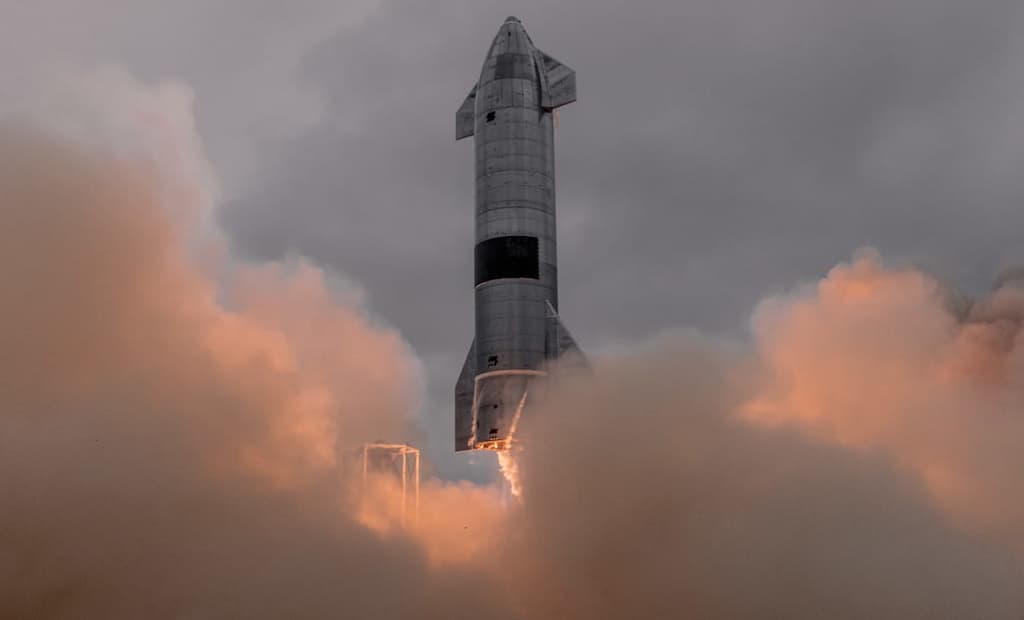
SpaceX's Starship program has completed just two flights reaching space in 2026 so far—Flight 12 (V3 debut in May) and Flight 13 (July 24 payload deployment of 20 Starlink V3 satellites with stage recovery)—following prior test setbacks and FAA mishap reviews. Recent milestones, including successful Raptor 3 performance and the shift toward operational missions, position traders to favor a 5-6 launch total for the year, reflecting a measured cadence increase in the second half amid ongoing environmental assessments and licensing. Flight 14 is slated for August with orbital goals and potential booster catch attempts, while broader plans target commercial Starlink and Artemis support later in 2026. Regulatory timelines, vehicle iteration pace, and infrastructure readiness at Starbase remain key swing factors that could push outcomes lower or enable a modest ramp without exceeding single-digit totals.
Experimental AI-generated summary referencing Polymarket data. This is not trading advice and plays no role in how this market resolves. · UpdatedHow many SpaceX Starship launches reach space in 2026?
How many SpaceX Starship launches reach space in 2026?
5-6 62%
<5 29%
7-8 8.8%
9-10 3.0%
$492,489 Vol.
$492,489 Vol.
<5
29%
5-6
62%
7-8
9%
9-10
3%
11-12
2%
13-14
<1%
15-16
<1%
>16
1%
5-6 62%
<5 29%
7-8 8.8%
9-10 3.0%
$492,489 Vol.
$492,489 Vol.
<5
29%
5-6
62%
7-8
9%
9-10
3%
11-12
2%
13-14
<1%
15-16
<1%
>16
1%
A successful launch is defined as the Starship taking off from its launchpad and reaching a minimum altitude of 62 miles above sea level. Any subsequent anomaly (e.g., an explosion) after the vehicle reaches 62 miles will have no bearing on the outcome.
The primary resolution source for this market will be SpaceX’s official video feed of the launches (e.g., via SpaceX YouTube Channel), as well as secondary video feeds or written reports if necessary. However, a consensus of credible reporting may also be used.
Market Opened: Dec 11, 2025, 7:39 PM ET
Resolver
0x2F5e3684c...A successful launch is defined as the Starship taking off from its launchpad and reaching a minimum altitude of 62 miles above sea level. Any subsequent anomaly (e.g., an explosion) after the vehicle reaches 62 miles will have no bearing on the outcome.
The primary resolution source for this market will be SpaceX’s official video feed of the launches (e.g., via SpaceX YouTube Channel), as well as secondary video feeds or written reports if necessary. However, a consensus of credible reporting may also be used.
Resolver
0x2F5e3684c...SpaceX's Starship program has completed just two flights reaching space in 2026 so far—Flight 12 (V3 debut in May) and Flight 13 (July 24 payload deployment of 20 Starlink V3 satellites with stage recovery)—following prior test setbacks and FAA mishap reviews. Recent milestones, including successful Raptor 3 performance and the shift toward operational missions, position traders to favor a 5-6 launch total for the year, reflecting a measured cadence increase in the second half amid ongoing environmental assessments and licensing. Flight 14 is slated for August with orbital goals and potential booster catch attempts, while broader plans target commercial Starlink and Artemis support later in 2026. Regulatory timelines, vehicle iteration pace, and infrastructure readiness at Starbase remain key swing factors that could push outcomes lower or enable a modest ramp without exceeding single-digit totals.
Experimental AI-generated summary referencing Polymarket data. This is not trading advice and plays no role in how this market resolves. · Updated


Beware of external links.
Beware of external links.
Frequently Asked Questions