
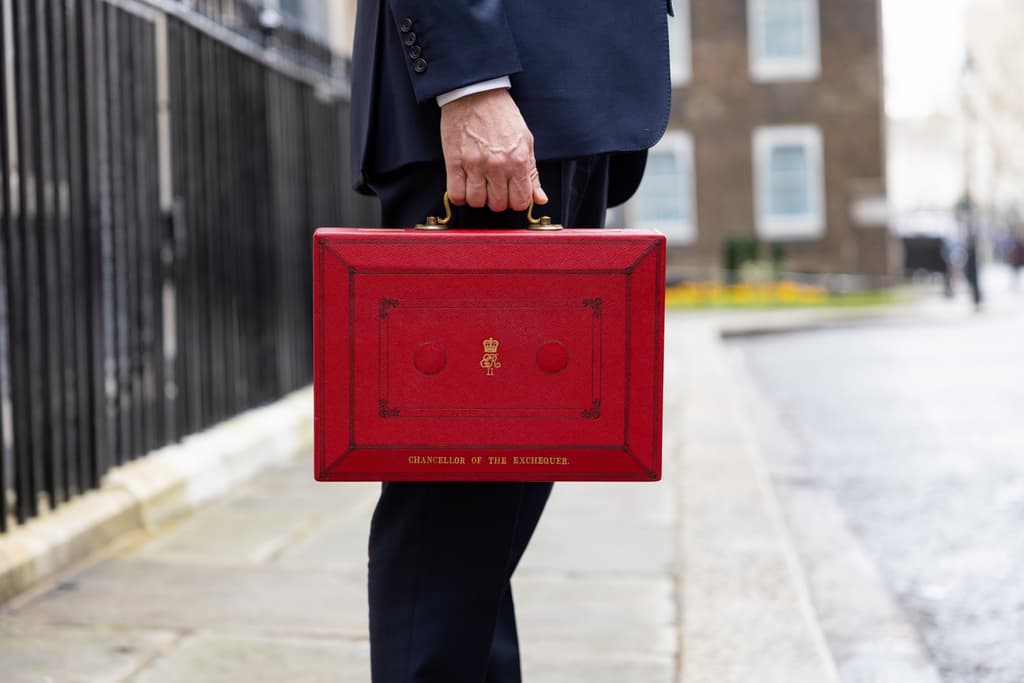
The UK’s October 28 Budget, Chancellor John Healey’s first under Prime Minister Andy Burnham, occurs against elevated public borrowing after August’s £18.3 billion deficit exceeded forecasts, pushing year-to-date figures above OBR projections and lifting gilt yields. Traders focus on how the government will meet its fiscal rules—balancing day-to-day spending and placing debt on a downward path—while honoring pledges not to raise income tax, National Insurance, VAT or corporation tax rates. Higher energy-driven inflation and borrowing costs have narrowed headroom, directing attention to potential revenue from capital gains, property or wealth-related measures alongside spending restraint or targeted support for housing, social care and defence. The OBR’s accompanying forecasts will embed current market-implied Bank of England rate paths and growth expectations near 1.2 percent for 2026.
Experimental AI-generated summary referencing Polymarket data. This is not trading advice and plays no role in how this market resolves. · UpdatedCGT increase
64%
Fuel duty increase
30%
Land value tax
13%
Wealth tax
9%
$1,836 Vol.
CGT increase
64%
Fuel duty increase
30%
Land value tax
13%
Wealth tax
9%
This market will resolve to "Yes" if the listed measure is announced in the 2026 Autumn Budget. Otherwise, this market will resolve to "No".
For the purposes of this market, the listed options are defined as follows:
- Wealth tax: the introduction of an annual percentage-based levy on the value of a person's assets.
- Land value tax: the introduction of a percentage-based levy on the value of a person's home.
- Fuel duty increase: an increase to the rate of fuel duty.
- CGT increase: an increase to any rate of capital gains tax.
A measure will only count if it is announced in the Chancellor's Budget speech or contained in the official Budget documents published by HM Treasury on the day of the Budget. Measures that are only consulted on, reviewed, or otherwise not announced as government policy will not count.
For the fuel duty option, the ending or non-renewal of the existing fuel duty freeze, such that the rate of fuel duty rises, will count as an increase.
If the 2026 Autumn Budget is delayed beyond October 28, 2026, this market will resolve according to the Budget whenever it is delivered, provided it is delivered by December 31, 2026, 11:59 PM ET. If no Budget is delivered by that date, this market will resolve to "No".
The primary resolution source for this market will be official information from HM Treasury and the UK government, including the published Budget documents; however, a consensus of credible reporting will also be used.
Market Opened: Sep 17, 2026, 6:56 PM ET
Resolver
0x65070BE91...This market will resolve to "Yes" if the listed measure is announced in the 2026 Autumn Budget. Otherwise, this market will resolve to "No".
For the purposes of this market, the listed options are defined as follows:
- Wealth tax: the introduction of an annual percentage-based levy on the value of a person's assets.
- Land value tax: the introduction of a percentage-based levy on the value of a person's home.
- Fuel duty increase: an increase to the rate of fuel duty.
- CGT increase: an increase to any rate of capital gains tax.
A measure will only count if it is announced in the Chancellor's Budget speech or contained in the official Budget documents published by HM Treasury on the day of the Budget. Measures that are only consulted on, reviewed, or otherwise not announced as government policy will not count.
For the fuel duty option, the ending or non-renewal of the existing fuel duty freeze, such that the rate of fuel duty rises, will count as an increase.
If the 2026 Autumn Budget is delayed beyond October 28, 2026, this market will resolve according to the Budget whenever it is delivered, provided it is delivered by December 31, 2026, 11:59 PM ET. If no Budget is delivered by that date, this market will resolve to "No".
The primary resolution source for this market will be official information from HM Treasury and the UK government, including the published Budget documents; however, a consensus of credible reporting will also be used.
Resolver
0x65070BE91...The UK’s October 28 Budget, Chancellor John Healey’s first under Prime Minister Andy Burnham, occurs against elevated public borrowing after August’s £18.3 billion deficit exceeded forecasts, pushing year-to-date figures above OBR projections and lifting gilt yields. Traders focus on how the government will meet its fiscal rules—balancing day-to-day spending and placing debt on a downward path—while honoring pledges not to raise income tax, National Insurance, VAT or corporation tax rates. Higher energy-driven inflation and borrowing costs have narrowed headroom, directing attention to potential revenue from capital gains, property or wealth-related measures alongside spending restraint or targeted support for housing, social care and defence. The OBR’s accompanying forecasts will embed current market-implied Bank of England rate paths and growth expectations near 1.2 percent for 2026.
Experimental AI-generated summary referencing Polymarket data. This is not trading advice and plays no role in how this market resolves. · Updated

Beware of external links.
Beware of external links.
Frequently Asked Questions