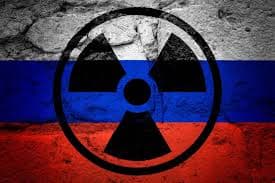
The expiration of the New START treaty on February 5, 2026, removed the last legally binding limits and verification regime on U.S. and Russian strategic nuclear forces, shifting focus to prospects for a successor bilateral or trilateral agreement. The Trump administration has prioritized negotiations toward a “modernized” pact that could incorporate China and broader limits on warheads, while Russia has signaled openness to informal compliance with prior numerical caps alongside new talks. Diplomatic channels remain active but face structural hurdles, including verification disputes, missile defense concerns, and differing views on scope. No major announcements or breakthroughs have occurred in the past several months, leaving trader assessments anchored in the pace of expert-level discussions and any scheduled high-level engagements within the market’s resolution window.
Experimental AI-generated summary referencing Polymarket data. This is not trading advice and plays no role in how this market resolves. · UpdatedU.S. x Russia Nuclear deal by...?
U.S. x Russia Nuclear deal by...?
$645,705 Vol.
September 30
3%
December 31
7%
$645,705 Vol.
September 30
3%
December 31
7%
Only agreements that are publicly announced and acknowledged by both the U.S. and Russia will qualify. The agreement must pertain to nuclear arms control or limitation—such as a treaty, framework, or memorandum—addressing matters including (but not limited to) nuclear warheads, delivery systems, verification mechanisms, or strategic stability.
An extension, amendment, or replacement of the New START treaty will qualify, provided it is publicly announced as a concluded agreement by both parties within the time frame. Exploratory discussions or stated intent to extend without a finalized agreement will not qualify.
Agreements that include both the United States and Russia as named parties—whether bilateral or as part of a broader multilateral framework—will qualify, provided the agreement directly addresses nuclear arms control.
The agreement does not need to be ratified or implemented for this market to resolve "Yes"; a formal announcement of a concluded agreement is sufficient.
The primary resolution source for this market will be official statements from the U.S. government (e.g., the White House, State Department) and/or the Russian Federation (e.g., the Kremlin, Ministry of Foreign Affairs). However, a clear and overwhelming consensus of credible reporting confirming that such an agreement has been reached will also qualify.
Market Opened: Jul 29, 2026, 2:38 PM ET
Resolver
0x65070BE91...Only agreements that are publicly announced and acknowledged by both the U.S. and Russia will qualify. The agreement must pertain to nuclear arms control or limitation—such as a treaty, framework, or memorandum—addressing matters including (but not limited to) nuclear warheads, delivery systems, verification mechanisms, or strategic stability.
An extension, amendment, or replacement of the New START treaty will qualify, provided it is publicly announced as a concluded agreement by both parties within the time frame. Exploratory discussions or stated intent to extend without a finalized agreement will not qualify.
Agreements that include both the United States and Russia as named parties—whether bilateral or as part of a broader multilateral framework—will qualify, provided the agreement directly addresses nuclear arms control.
The agreement does not need to be ratified or implemented for this market to resolve "Yes"; a formal announcement of a concluded agreement is sufficient.
The primary resolution source for this market will be official statements from the U.S. government (e.g., the White House, State Department) and/or the Russian Federation (e.g., the Kremlin, Ministry of Foreign Affairs). However, a clear and overwhelming consensus of credible reporting confirming that such an agreement has been reached will also qualify.
Resolver
0x65070BE91...The expiration of the New START treaty on February 5, 2026, removed the last legally binding limits and verification regime on U.S. and Russian strategic nuclear forces, shifting focus to prospects for a successor bilateral or trilateral agreement. The Trump administration has prioritized negotiations toward a “modernized” pact that could incorporate China and broader limits on warheads, while Russia has signaled openness to informal compliance with prior numerical caps alongside new talks. Diplomatic channels remain active but face structural hurdles, including verification disputes, missile defense concerns, and differing views on scope. No major announcements or breakthroughs have occurred in the past several months, leaving trader assessments anchored in the pace of expert-level discussions and any scheduled high-level engagements within the market’s resolution window.
Experimental AI-generated summary referencing Polymarket data. This is not trading advice and plays no role in how this market resolves. · Updated
Beware of external links.
Beware of external links.
Frequently Asked Questions