
SpaceX plans a 2026 demonstration of ship-to-ship propellant transfer in low Earth orbit, requiring two Starship vehicles to rendezvous and dock using newly integrated ports, drogues, and DragonEye sensors on V3/Block 3 vehicles. Recent Flight 13 success and the upcoming Flight 14 attempt, alongside ongoing rapid iteration at Starbase, have strengthened trader confidence in near-term progress toward this milestone. Key variables include FAA launch approvals, hardware reliability for soft capture, and the shift from internal tank transfers to full inter-vehicle operations. Delays in regulatory clearance or test anomalies could push timelines, while accelerated flight cadence supports earlier resolution.
Experimental AI-generated summary referencing Polymarket data. This is not trading advice and plays no role in how this market resolves. · Updated$59,594 Vol.
Dec 31, 2027
December 31, 2026
12%
December 31, 2027
61%
$59,594 Vol.
December 31, 2026
$38,807 Vol.
12%
December 31, 2027
$20,787 Vol.
61%
This market will resolve to “Yes” if two SpaceX Starships successfully execute a docking maneuver in a stable Earth orbit between market creation and the listed date, 11:59 PM ET. Otherwise, this market will resolve to “No”.
A qualifying docking maneuver must physically join two vessels, matching in velocity, into a connected structure via mating hardware for at least 60 continuous seconds. The two vessels must be in stable Earth orbit with a perigee of at least 100 kilometers above the Earth’s surface.
The docking of any two SpaceX vessels which each serve as an integrated rocket-and-spacecraft and both equal or exceed Starship in scale will qualify regardless of their contents or variant (standard, tanker, depot, HLS, test article, etc.). The two vessels must be free-flying. Any capsule or payload carried to orbit exclusively atop a separate launch vehicle will not qualify. If either vessel is passively placed into the mating interface of the other vessel, that conjunction will not qualify.
The resolution source for this market will be a consensus of credible reporting.SpaceX plans a 2026 demonstration of ship-to-ship propellant transfer in low Earth orbit, requiring two Starship vehicles to rendezvous and dock using newly integrated ports, drogues, and DragonEye sensors on V3/Block 3 vehicles. Recent Flight 13 success and the upcoming Flight 14 attempt, alongside ongoing rapid iteration at Starbase, have strengthened trader confidence in near-term progress toward this milestone. Key variables include FAA launch approvals, hardware reliability for soft capture, and the shift from internal tank transfers to full inter-vehicle operations. Delays in regulatory clearance or test anomalies could push timelines, while accelerated flight cadence supports earlier resolution.
This market will resolve to “Yes” if two SpaceX Starships successfully execute a docking maneuver in a stable Earth orbit between market creation and the listed date, 11:59 PM ET. Otherwise, this market will resolve to “No”.
A qualifying docking maneuver must physically join two vessels, matching in velocity, into a connected structure via mating hardware for at least 60 continuous seconds. The two vessels must be in stable Earth orbit with a perigee of at least 100 kilometers above the Earth’s surface.
The docking of any two SpaceX vessels which each serve as an integrated rocket-and-spacecraft and both equal or exceed Starship in scale will qualify regardless of their contents or variant (standard, tanker, depot, HLS, test article, etc.). The two vessels must be free-flying. Any capsule or payload carried to orbit exclusively atop a separate launch vehicle will not qualify. If either vessel is passively placed into the mating interface of the other vessel, that conjunction will not qualify.
The resolution source for this market will be a consensus of credible reporting.
A qualifying docking maneuver must physically join two vessels, matching in velocity, into a connected structure via mating hardware for at least 60 continuous seconds. The two vessels must be in stable Earth orbit with a perigee of at least 100 kilometers above the Earth’s surface.
The docking of any two SpaceX vessels which each serve as an integrated rocket-and-spacecraft and both equal or exceed Starship in scale will qualify regardless of their contents or variant (standard, tanker, depot, HLS, test article, etc.). The two vessels must be free-flying. Any capsule or payload carried to orbit exclusively atop a separate launch vehicle will not qualify. If either vessel is passively placed into the mating interface of the other vessel, that conjunction will not qualify.
The resolution source for this market will be a consensus of credible reporting.
Market Opened: Jun 11, 2026, 1:09 PM ET
Volume
$59,594End Date
Dec 31, 2028Market Opened
Jun 11, 2026, 1:09 PM ETResolver
0x65070BE91...This market will resolve to “Yes” if two SpaceX Starships successfully execute a docking maneuver in a stable Earth orbit between market creation and the listed date, 11:59 PM ET. Otherwise, this market will resolve to “No”.
A qualifying docking maneuver must physically join two vessels, matching in velocity, into a connected structure via mating hardware for at least 60 continuous seconds. The two vessels must be in stable Earth orbit with a perigee of at least 100 kilometers above the Earth’s surface.
The docking of any two SpaceX vessels which each serve as an integrated rocket-and-spacecraft and both equal or exceed Starship in scale will qualify regardless of their contents or variant (standard, tanker, depot, HLS, test article, etc.). The two vessels must be free-flying. Any capsule or payload carried to orbit exclusively atop a separate launch vehicle will not qualify. If either vessel is passively placed into the mating interface of the other vessel, that conjunction will not qualify.
The resolution source for this market will be a consensus of credible reporting.SpaceX plans a 2026 demonstration of ship-to-ship propellant transfer in low Earth orbit, requiring two Starship vehicles to rendezvous and dock using newly integrated ports, drogues, and DragonEye sensors on V3/Block 3 vehicles. Recent Flight 13 success and the upcoming Flight 14 attempt, alongside ongoing rapid iteration at Starbase, have strengthened trader confidence in near-term progress toward this milestone. Key variables include FAA launch approvals, hardware reliability for soft capture, and the shift from internal tank transfers to full inter-vehicle operations. Delays in regulatory clearance or test anomalies could push timelines, while accelerated flight cadence supports earlier resolution.
This market will resolve to “Yes” if two SpaceX Starships successfully execute a docking maneuver in a stable Earth orbit between market creation and the listed date, 11:59 PM ET. Otherwise, this market will resolve to “No”.
A qualifying docking maneuver must physically join two vessels, matching in velocity, into a connected structure via mating hardware for at least 60 continuous seconds. The two vessels must be in stable Earth orbit with a perigee of at least 100 kilometers above the Earth’s surface.
The docking of any two SpaceX vessels which each serve as an integrated rocket-and-spacecraft and both equal or exceed Starship in scale will qualify regardless of their contents or variant (standard, tanker, depot, HLS, test article, etc.). The two vessels must be free-flying. Any capsule or payload carried to orbit exclusively atop a separate launch vehicle will not qualify. If either vessel is passively placed into the mating interface of the other vessel, that conjunction will not qualify.
The resolution source for this market will be a consensus of credible reporting.
A qualifying docking maneuver must physically join two vessels, matching in velocity, into a connected structure via mating hardware for at least 60 continuous seconds. The two vessels must be in stable Earth orbit with a perigee of at least 100 kilometers above the Earth’s surface.
The docking of any two SpaceX vessels which each serve as an integrated rocket-and-spacecraft and both equal or exceed Starship in scale will qualify regardless of their contents or variant (standard, tanker, depot, HLS, test article, etc.). The two vessels must be free-flying. Any capsule or payload carried to orbit exclusively atop a separate launch vehicle will not qualify. If either vessel is passively placed into the mating interface of the other vessel, that conjunction will not qualify.
The resolution source for this market will be a consensus of credible reporting.
Volume
$59,594End Date
Dec 31, 2028Market Opened
Jun 11, 2026, 1:09 PM ETResolver
0x65070BE91...SpaceX plans a 2026 demonstration of ship-to-ship propellant transfer in low Earth orbit, requiring two Starship vehicles to rendezvous and dock using newly integrated ports, drogues, and DragonEye sensors on V3/Block 3 vehicles. Recent Flight 13 success and the upcoming Flight 14 attempt, alongside ongoing rapid iteration at Starbase, have strengthened trader confidence in near-term progress toward this milestone. Key variables include FAA launch approvals, hardware reliability for soft capture, and the shift from internal tank transfers to full inter-vehicle operations. Delays in regulatory clearance or test anomalies could push timelines, while accelerated flight cadence supports earlier resolution.
Experimental AI-generated summary referencing Polymarket data. This is not trading advice and plays no role in how this market resolves. · Updated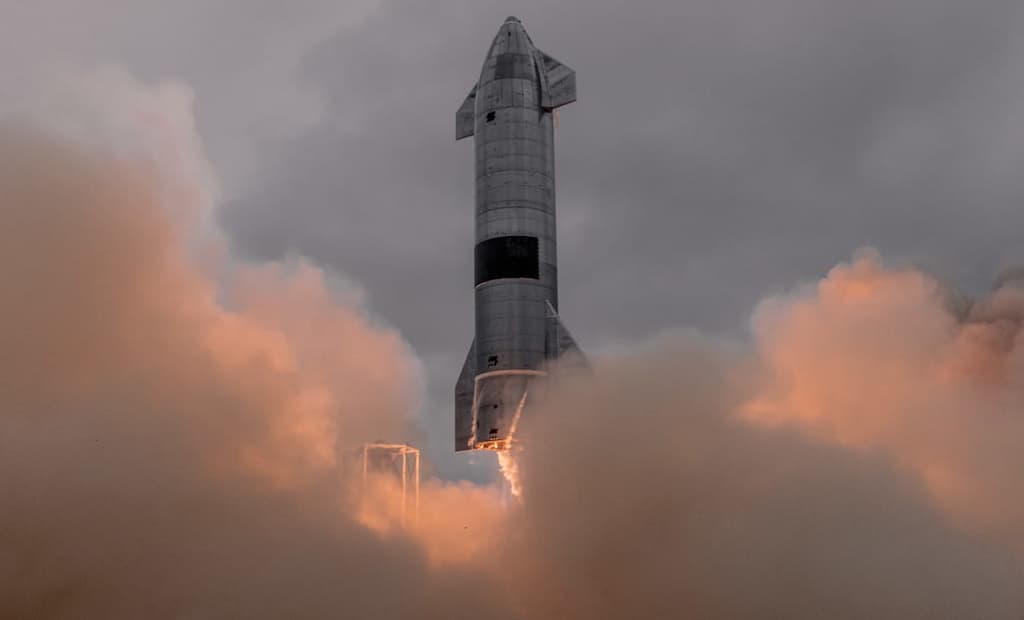

Beware of external links.
Beware of external links.
Frequently Asked Questions