
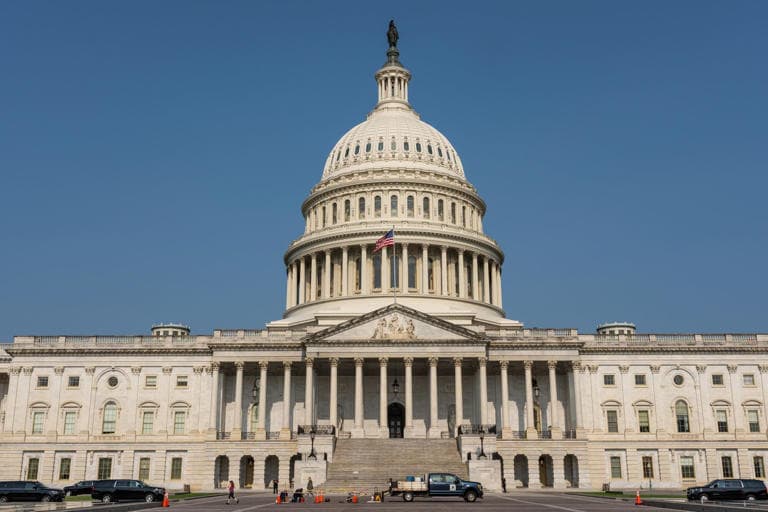
The SAVE Act (or SAVE America Act), which would impose documentary proof of citizenship for voter registration nationwide, has passed the House multiple times—including versions in April 2025 and February 2026—yet remains stalled in the Senate. With Republicans holding 53 seats, the bill requires 60 votes to overcome a filibuster, and repeated attempts to advance it have failed due to insufficient bipartisan support and opposition even from some Republicans. Recent efforts to embed provisions in budget reconciliation packages or other measures in mid-2026 have also encountered procedural and vote-count hurdles. Trader consensus reflects these structural barriers, with low implied probabilities tied to the slim prospects for Senate passage absent major shifts in chamber dynamics or procedural rules before any specified deadline.
Experimental AI-generated summary referencing Polymarket data. This is not trading advice and plays no role in how this market resolves. · Updated$537,073 Vol.
December 31
14%
$537,073 Vol.
December 31
14%
Examples of qualifying legislation include H.R. 22, the “SAVE Act,” and H.R. 7296, the “SAVE America Act.”
The primary resolution source for this market will be official information from the government of the United States; however, a consensus of credible reporting may also be used.
Market Opened: Mar 10, 2026, 7:53 PM ET
Resolver
0x65070BE91...Examples of qualifying legislation include H.R. 22, the “SAVE Act,” and H.R. 7296, the “SAVE America Act.”
The primary resolution source for this market will be official information from the government of the United States; however, a consensus of credible reporting may also be used.
Resolver
0x65070BE91...The SAVE Act (or SAVE America Act), which would impose documentary proof of citizenship for voter registration nationwide, has passed the House multiple times—including versions in April 2025 and February 2026—yet remains stalled in the Senate. With Republicans holding 53 seats, the bill requires 60 votes to overcome a filibuster, and repeated attempts to advance it have failed due to insufficient bipartisan support and opposition even from some Republicans. Recent efforts to embed provisions in budget reconciliation packages or other measures in mid-2026 have also encountered procedural and vote-count hurdles. Trader consensus reflects these structural barriers, with low implied probabilities tied to the slim prospects for Senate passage absent major shifts in chamber dynamics or procedural rules before any specified deadline.
Experimental AI-generated summary referencing Polymarket data. This is not trading advice and plays no role in how this market resolves. · Updated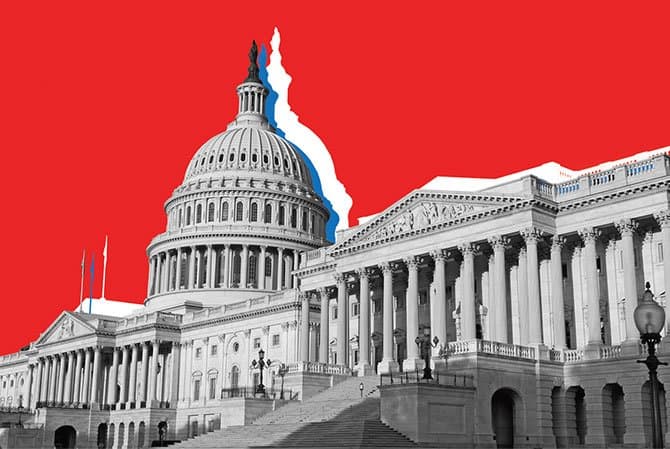
Beware of external links.
Beware of external links.
Frequently Asked Questions